
I Drove in the Snow, Slush and Ice and Wish My Car had These Winter Tires
Texas' recent freeze taught me a lot about tires: the main differences between winter and all-season tires, why winter tires are important, and why Michelin's new winter tires are worth a hard look.

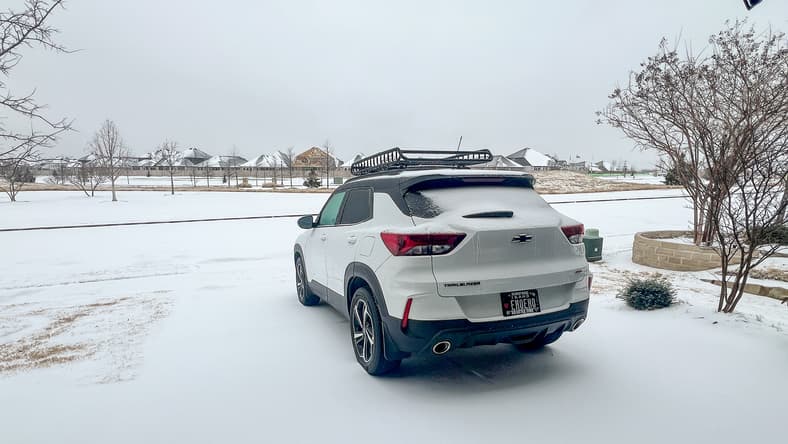
Winter is unpredictable, but how do you know what tires to get for the unknown weather? After Texas’ deep freeze that swept across North America in January, I can now see why it’s important to have winter tires capable of handling ice and snow.
I’m from Miami and this whole winter thing is still a marvel: What do I wear? How do I prepare my house? Can I drive my car in the snow?
We typically don’t get snow or ice here, so we bought the front-wheel drive Chevy Trailblazer, not the all-wheel drive. However, for regular trips to snowy places like Colorado or parts of New Mexico, winter tires would be wise. I would feel more confident in my FWD car, which is capable in snow mode, if I had winter tires, too.
I was supposed to attend a Michelin drive in Montreal, Quebec, to experience Michelin’s newest winter tire, but alas, a snowstorm impacted our not-made-for-winter Texas roads as well as airports across the country. Therefore, instead of testing Michelin’s new winter tires, I had to white-knuckle it to and from my home airport through the ice, snow, slush, and cold wet roads in my FWD car on all-season tires. It gave me a new perspective.
The experience helped me realize how important winter tires are, and had me considering keeping a pair in my garage.
This story is 100% human researched and written based on actual first-person knowledge, extensive experience and expertise on the subject of cars and trucks.
All Tires are Not the Same: The Difference Between All-Season and Winter Tires
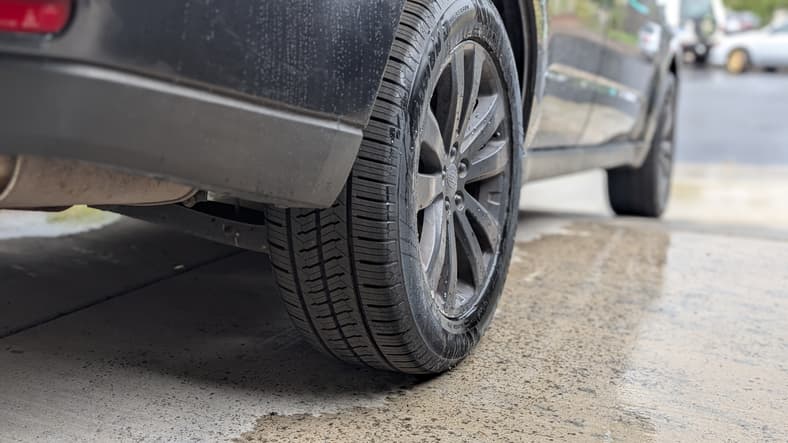
I can see why there is a need to have two sets of tires in my garage if I travel to regions with regular snowfall, or if I lived in a snowy state: all-season and winter tires. With my all-season tires at home, the traction is reliable on “normal” pavement, but once ice or snow is involved, they can easily slip. They lack a deep tread pattern to grip the ice and snow. Driving on all-season tires around town felt stressful, since I didn’t want to skate across the streets or into another car or oncoming traffic.
I love All-season tires in Texas because they’re sort of a one-size-fits-all tire: these work equally in rainy spring showers and grippy summer driving on the highway. They aren’t specific to one purpose or my winter needs: safe driving in cold, wet, snowy or icy conditions.
Winter tires are specifically designed to help you drive with better control and traction on dry and wet, or icy and snowy roads during the winter. According to the Winter Tire Conversation study, 43.2% of people are concerned with snow and 27.6% also worry about ice when driving. For people who live in snowy climates, a good, dedicated winter tire would help ease that.
Improved Technology Gives You Confidence for Safe Winter Driving
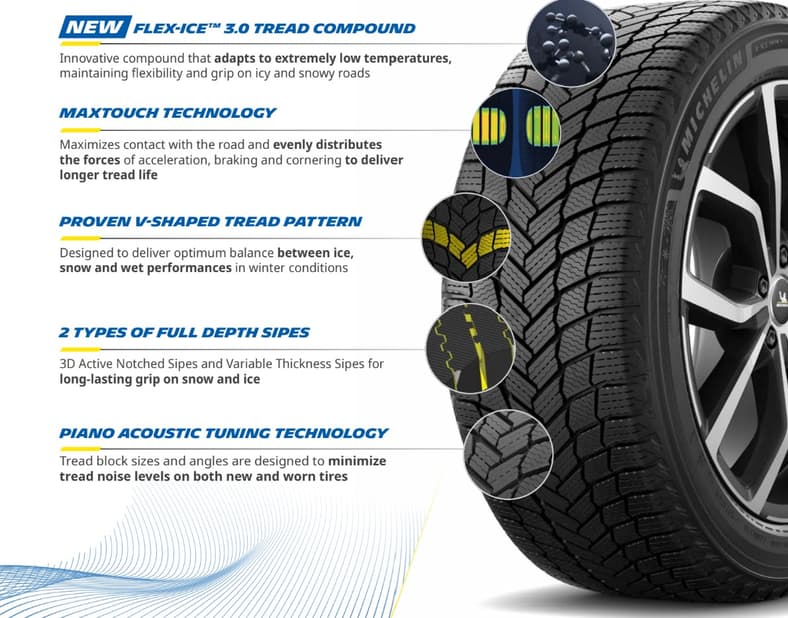
The Michelin X-Ice Snow+ is the company’s newest winter tire. It has a V-shaped tread pattern, similar to the CrossClimate all-weather tires, designed for balance when driving in ice, snow, or wet roads. These tires can adapt to frigid temperatures, remain flexible and maintain grip with a new and quieter tread compound made with silica and carbon black.
The result of these tires has improved traction in deep snow when starting from a stop and a stronger lateral grip on the edge of the tire when driving on ice than the previous generation tire. This means if you brake or accelerate, the tire gives you stability and the design helps the tires evenly split the acceleration and braking forces across the tire for longer tread life, so they last for multiple seasons.
A Piano Tuned Tire? More Like a Symphony of Silence
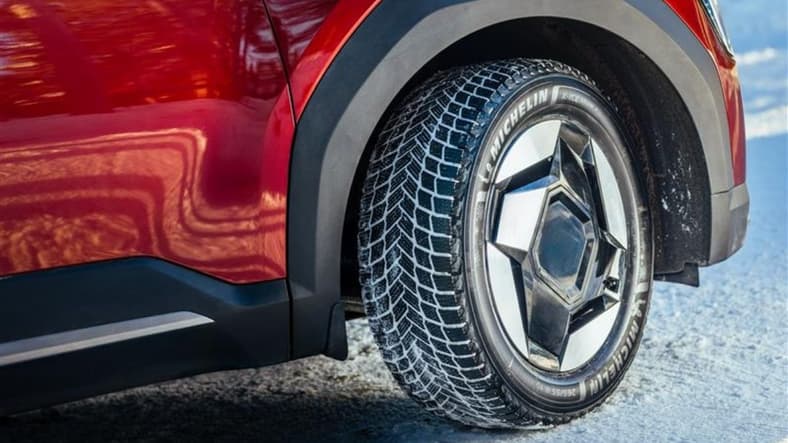
One of the coolest aspects of these tires is the brand’s Piano Acoustic Tuning. The basket-weaved V-shape tread pattern and materials mean you hear less of the tires “sticking” to the road. So, even if they’re worn, they’re incredibly quiet.
Also, the tread blocks help keep water away and improve overall longevity. So, it’s quiet, smooth, and grippy. I wish my all-season tires had the braking distance, dry and wet winter handling, and longevity like this design.
Prepare and Plan Ahead for Your Winter Driving
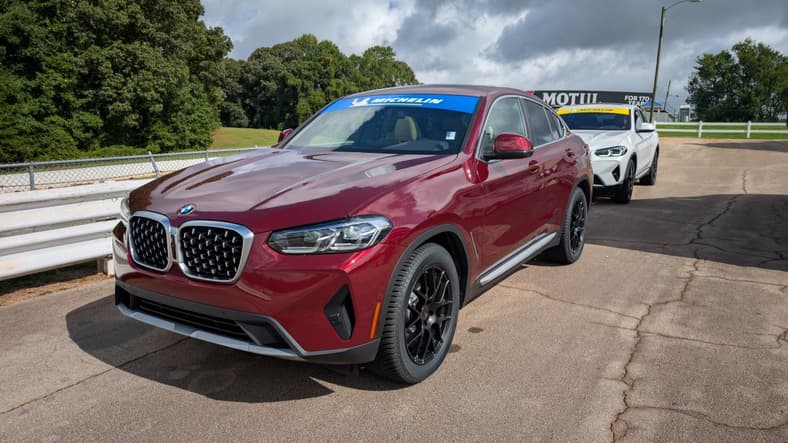
Winter tires with efficiency, comfort, and control ease my mind that I won’t be slipping on wet, snowy, or icy roads. After that anxious drive on all-seasons, I realized winter tires are a must if I were driving in ice and snow regularly.
The Michelin X-Ice Snow+ tires will be available to order in May 2026 to prepare ahead of the 2026 Winter season. These tires are built for SUVs, trucks, sedans, hybrids and EVs in 15 to 23 inch sizes. Now that I understand the value of winter tires, it will be easier to prepare for icy and snowy roads. To put it simply: be prepared with the right set of tires, or cozy up on the couch with something hot and don’t even think about going out.

More About:Car Safety Car Technology