
Volvo Expanded its First American Plant—Meaning More Exciting Swedish Hybrids and EVs
When Volvo invited me to tour their newly expanded South Carolina production plant, I felt giddy. They even teased a new hybrid coming in January.

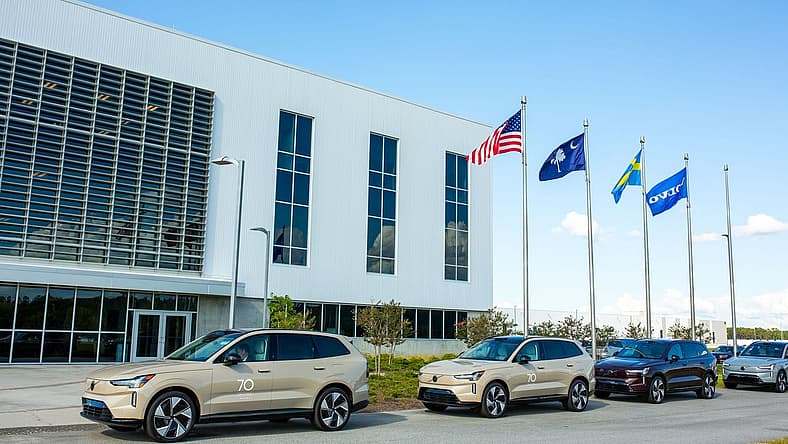
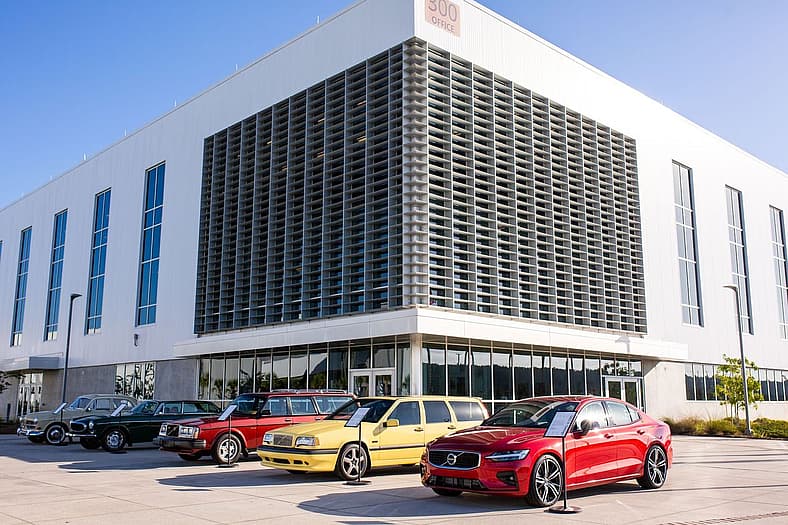
When I think of Volvo, I still think of those legendary boxy wagons, and the excitement I felt getting to ride in that rear row of seats that faced backwards. But today, Volvo is more than just your grandmother’s station wagon. They’re still incredibly safe, but now more luxurious.
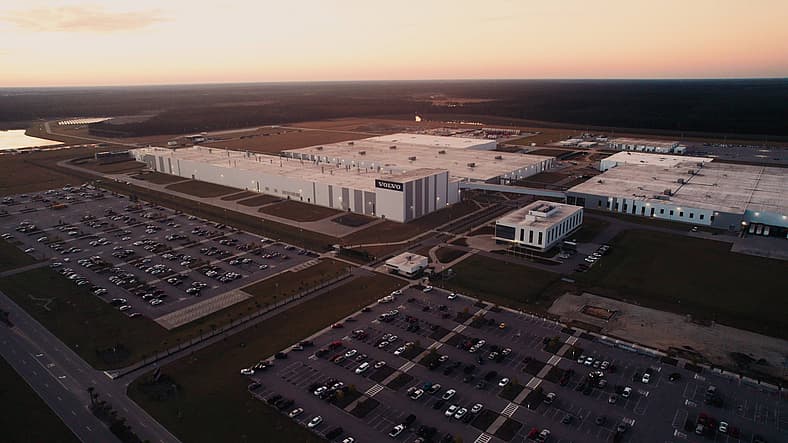
I had the opportunity to attend the ribbon-cutting ceremony at Volvo’s Charleston, South Carolina, plant a few weeks ago, celebrating a double milestone: its 70th year selling cars in the U.S. market and the 10th anniversary of its first American factory. The event, which featured CEO Håkan Samuelsson, Governor Henry McMaster, and Representative Nancy Mace, offered a glimpse into Volvo’s future.
The company announced its focus on a future that is electrified, sustainable, and built right here, thanks to an expansion. Building this next generation of Volvos on U.S. soil is a game-changer. It is not just great for South Carolina’s economy by creating new jobs, but it is a win for American car buyers as a whole.
This story is 100% human-researched and written based on actual first-person knowledge, extensive experience, and expertise on the subject of cars and trucks. I was Volvo’s guest for this event, but all opinions and impressions are my own.
American Buyers and Workers Will See a Break
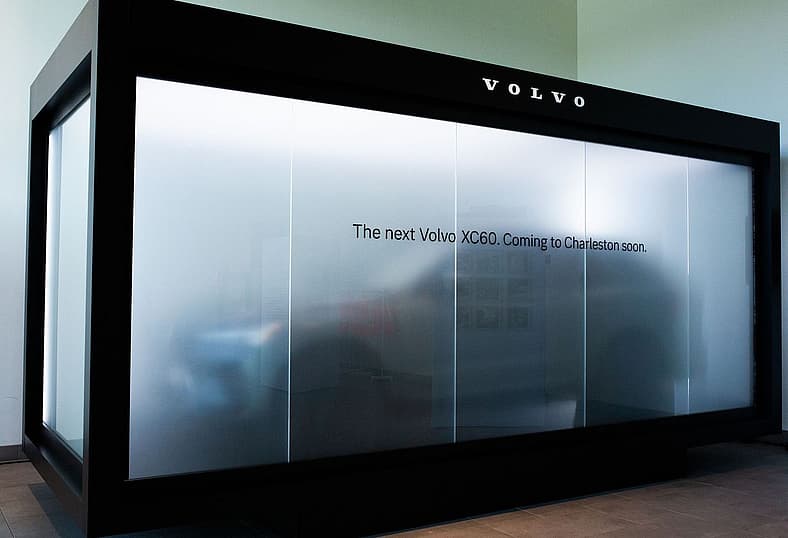
Over the next five years, Volvo will roll out an all-new lineup focused on the vehicles Americans favor – SUVs. Starting next year, the Charleston plant will reintroduce production of the Volvo XC60, one of Volvo’s global best-sellers, ensuring American families have easy access to the car they love. Executives were excited to announce a new XC60 coming in January.
This SUV-first approach also includes the forthcoming all-electric XC60, as well as four other electrified vehicles, with hints at a new, large SUV designed for the American market. By localizing the supply chain with 60% of the suppliers for its Charleston-built cars coming from the Americas, Volvo is also insulating U.S. buyers from global trade disruptions and tariffs, which could offer consumers some relief on vehicle pricing and stability.
Volvo is Determined to Clean Up Manufacturing with Sustainability in Mind
This new lineup doesn’t simply focus on electrification and SUVs. It will feature materials designed under Volvo’s radical Circular Economy initiative, aimed towards eliminating waste and pollution, and greater use of recycled materials.
An estimated 75% of a new electric car’s material emissions come from the production of steel, aluminum, and the battery, so by utilizing recycled and bio-based materials, Volvo is drastically shrinking the carbon footprint of its new vehicles. Volvo has set an ambitious target to make sure an average of 35% recycled content in its new car models and become a “circular business” by 2040.
They are well on the path to this goal with new models, such as the EX90, using 29% recycled aluminum, 18% recycled steel, and 16% recycled polymers and bio-based materials. Additionally, Volvo is remanufacturing 36 different components on its vehicles, rather than producing new parts. Remanufacturing uses an estimated 85% less raw material and 80% less energy than producing new parts.
EVs Are Still on the Horizon, But With a New Strategy
In response to market shifts, Volvo has revised its initial goal of being 100% all-electric by 2030, but executives are quick to clarify that this does not mean they are stepping away from an electric future. The revised long-term goal is for 90-100% of global sales to be “electrified” by 2030, a combination of fully electric and plug-in hybrid models.
Håkan Samuelsson emphasized the need for hybrid options for transitional customers until all customers have access to built-up electric infrastructure, and until electric vehicle technology allows for extended range on large vehicles. To address these transitional customers, Volvo is producing a new hybrid model, likely a large SUV, designed specifically for the U.S. and to be built in Charleston by 2030.
Samuelsson described it as a “second generation of hybrids,” functioning more like an electric car with a range-extending backup engine, than a traditional gas-first hybrid. This gives Americans the needed long range with a low environmental impact.
The New Strategy Will Include Best-Selling SUVs, EVs, and Hybrids
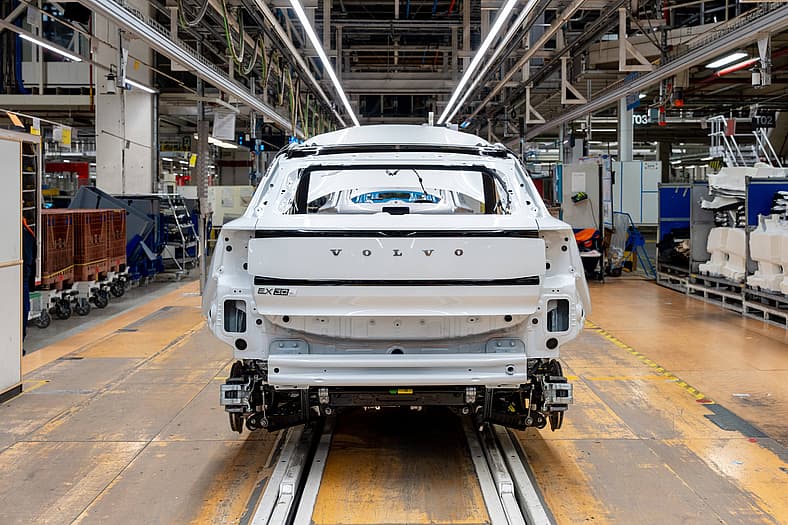
To streamline its focus on high-demand segments and to focus on building what sells here, Volvo is making cuts to its U.S. portfolio. The company will effectively become an SUV-first brand in America, with the S60 and S90 sedans and most lower-riding wagons being cut from the U.S. lineup.
The focus will be entirely on SUVs and Crossovers – the EX90, EX30, XC60, plus the upcoming American-focused electric and hybrid SUVs. The Charleston plant is slated to produce the EX90, XC60, Polestar 3, and the unnamed next-generation hybrid. The only wagons expected to remain on the market in the US are the raised V60 Cross Country and V90 Cross Country.
Volvo’s message about its future in America is clear. It’s about large, safe, locally-built luxury vehicles that lead the charge in sustainable and pragmatic electrification.

More About:Car Culture