
Au Revoir, EVs? Federal EV Incentives Are Ending, But The Truth About EVs Show Why It May Not Matter
EVs have evolved; they are much loved, deliver fun features, and provide a great driving experience. And they're here to stay.

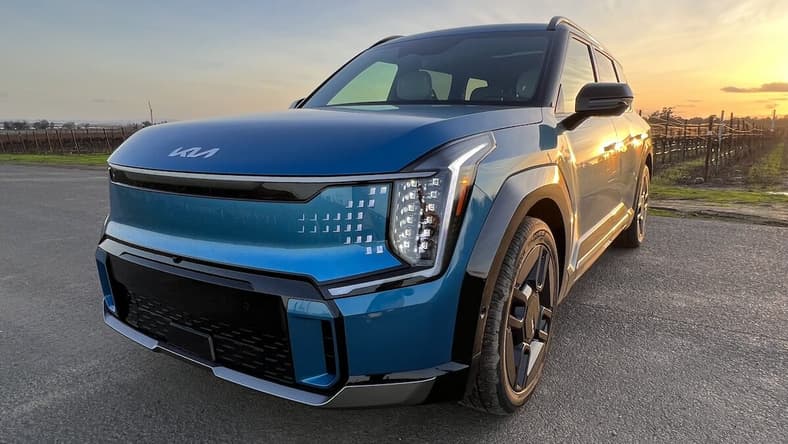
It sounded so good: $7,500 off the top of the price of a new electric car, with Uncle Sam picking up that tab. EV incentives could make a mid-level Mustang Mach-E and a mid-level Toyota RAV4, both similarly sized and outfitted, about the same price.
But the federal EV incentives end on September 30th. And while it might sound like a huge blow to carmakers and EV buyers, the reality could be far different. So if you were on the fence about buying an EV and feeling a little FOMO for not making the leap before the end of the month, don’t worry. The EV market isn’t going anywhere and actually, it stands to become even more attractive in the coming years.
Here are the truths about the EV market and why an electric car should still be on your shopping list if it fits your lifestyle.
This story is 100% human-researched and written based on actual first-person knowledge, extensive experience, and expertise on the subject of cars and trucks.
EV Truth #1: Most EVs Don’t Qualify for Federal EV Incentives

It’s sadly a rude shock to buyers who test drive an EV and find out that if they buy it, the $7,500 federal incentive would not apply. That’s because the federal government changed the rules a few years ago to incentivize cars that are produced mostly in the US of US parts, that fell under a certain price threshold and that were bought by consumers under a certain income level.
That meant that many luxury SUVs and buyers who live in pricey places where EVs are popular, like California and New York, didn’t qualify.
Even buyers of used EVs hoping to tap the $4,000 credit would find that most EVs with low mileage and fun features didn’t meet the sub-$25,000 price limit, so that incentive didn’t apply, either.
Shopping for good deals on EVs? Check out the Hyundai Kona EV
EV Truth #2: EVs Leases are a Bargain—and That Should Continue

Even though most EVs don’t qualify for the federal incentive, there is loophole that allows fleet buyers—think, carmakers and dealerships that buy lots of cars to lease them—to qualify for the incentive. So those buyers did get a $7,500 discount on every car they purchased, making them much more likely to offer great deals on EV leases.
Over the last few years we’ve seen lease prices in the $199-$399 range and we can expect that to continue. It’s not unusual for carmakers to offer low-price leases on overstocked cars. Its just one of the ways they keep the wheels of the business moving—both “selling” new cars (to fleet buyers), creating finance income and adding to the used car inventory when those cars are returned at the end of the lease.
There are still a lot of great leases on EVs
EV Truth #3: There are Still Lots of EV Incentives
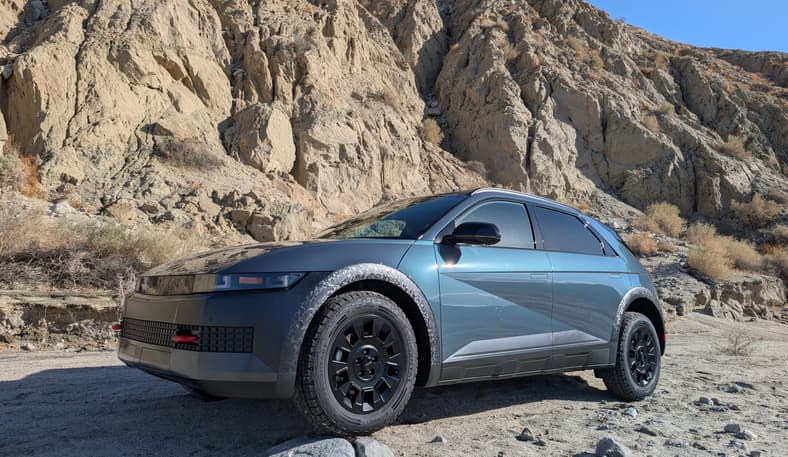
Just because the federal incentive will end, it’s not the end of incentives. Many states like Colorado, California and New York still offer significant incentives, as do many cities and counties, as well as power companies and others with an interest in seeing EVs succeed.
And, incentives are not just in the form of tax credits. There are HOV lane incentives, incentives for installing a charge station at home, and many EVs come with free charging, free charge accessories, and some, like Ford and Hyundai, even offer a fully installed home charge station, depending on the model you buy.
This is one of our favorite EVs on the road: Hyundai Ioniq 5
EV Truth #4: EVs Are Getting Cheaper to Build
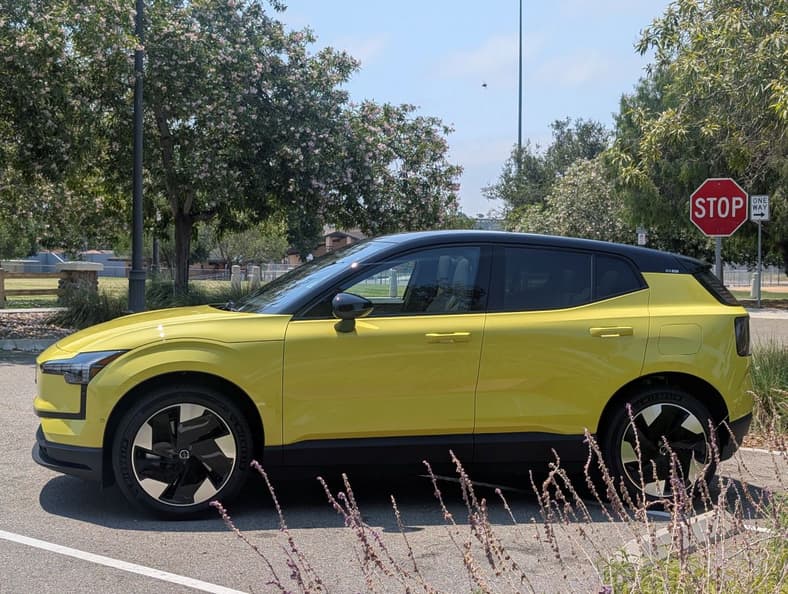
Car makers that are building EVs and EV batteries in the US have gotten a lot of attention lately as production increases, but this isn’t anything all that new.
BMW, Hyundai, Kia, Toyota, VW, Volvo and others laid the plans for EV and battery production years ago; it fits with their long-standing practice of sourcing all materials within 100 miles of the assembly plant and to reducing the distance that new vehicles travel to get to customers. All that makes manufacturing more efficient and allows for car makers to offer more features, luxuries and options for a lower price.
Additionally, as more and more EVs are built, the price of building each one comes down; and as more new EVs are introduced, competition results in price reductions. All this means that the price of EVs, which in the past have been more expensive than similarly sized and outfitted gas cars, will come down to a comparable level.
The Volvo EX30 is designed to save money and energy–at the factory and on the road
EV Truth #5: There Are More Than Enough EV Plugs, and the Number is Growing
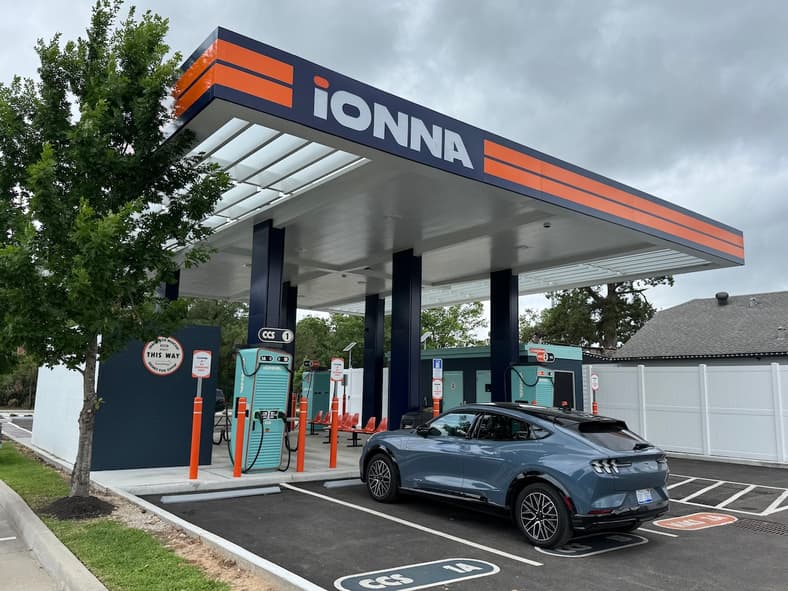
The math sats it all: There are 4 million EVs on the road and 80% of drivers charge their cars at home. There are 220,000 public chargers and that number is growing; most owners now have access to Tesla Superchargers as well as public chargers at places like Walmart, Target, and Shell stations.
Then, the US government earmarked hundreds of millions for EV charging infrastructure and those chargers are still being built, as are charge stations like Ionna, funded by a consortia of car makers, as well as private networks like EVGo, Electrify America and ChargePoint.
Compare the number of EV chargers per EV to the number of gas pumps per car on the road: There are 237 cars for every gas pump but nearly 1 charger for every EV. So even if you have to share a charger with another car, there are more than enough.
I Took a Solo Road Trip in the Mustang Mach-E Using Public EV Chargers. This is How It Went
EV Truth #6: EVs Have a Lower Cost of Ownership
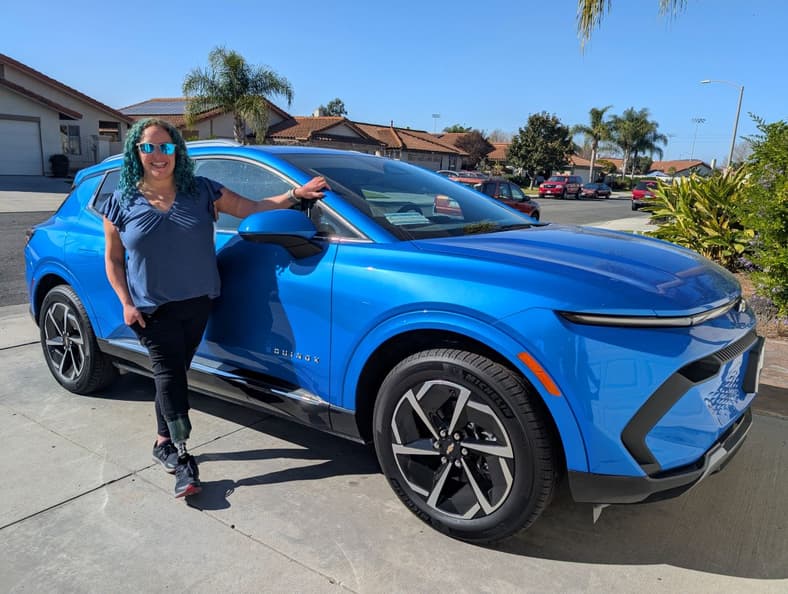
This one is hard to get past: Charging at home can be cheap—about a third the price of gas, and homes with solar panels can pay even less. With all other things being equal, including the price of the car and no surprise repairs or accidents, an EV can be cheaper to maintain: there are no oil changes or other fluids to replace; there are fewer moving parts to wear out, and regenerative braking allows an EV’s brakes to last longer.
EVs have longer warranties on the battery and motors, typically about 8 years, so buyers are covered for longer if something goes wrong, and as time goes on repairs and replacement costs will continue to decline.
There can, however, be some things that add to the cost; in general EV tires can wear out more quickly and many states are adding EV surcharges or heightened registration fees to counterbalance the taxes paid at the pump by drivers of gas-powered cars, but still, the cost of owning an EV can be significantly less than that of a gas-only car.
The Chevrolet Equinox EV Impressed Me So Much, I Bought It After Reviewing It
EV Truth #7: Horsepower Hounds Love EV Power
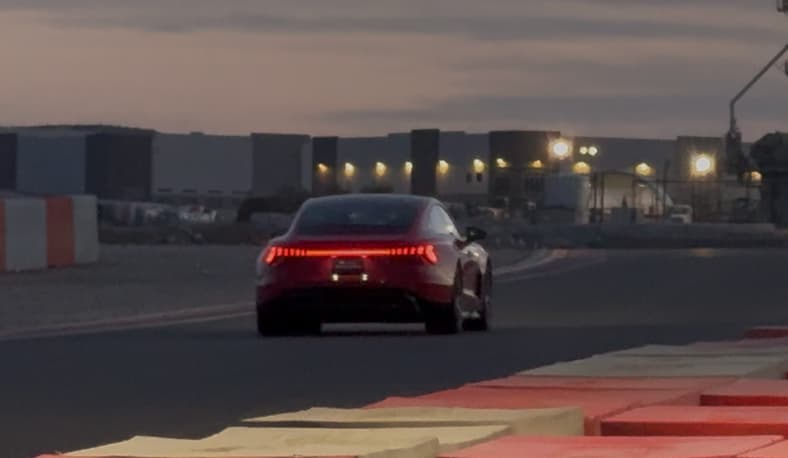
Every performance brand, from Porsche to Lamborghini to Mercedes-Benz and Audi, have added EV power to boost performance. Since this technology is winning races and setting records, don’t expect to see engineers back off any time soon.
And the fastest cars on the planet? Yup. They’re electric.
Is This the Ultimate Electric Car? Audi RS e-tron GT Review
EV Truth #8: The EV Market Is Where the Money Is For Carmakers
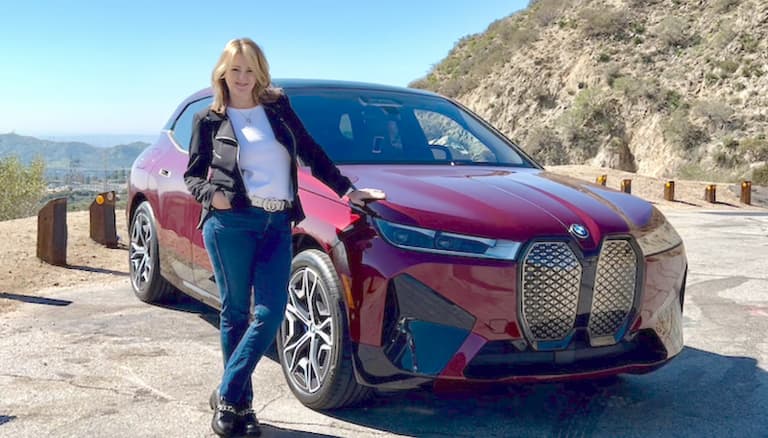
Most countries around the world are transitioning to electric cars, meaning export markets will demand EV power, components and technology. And, it means that EVs will continue to deliver more for the money and come down in price while gas-powered cars, with shrinking market demand, will grow more expensive.
With many car makers still producing EVs and components in the United States and exporting them overseas, we’ll continue to see production on our shores and all the benefits—great cars and great new technology.
And with so much of the brain power in automotive on our shores, expect to see a lot of EV innovations come out of the US, too.
BMW Neue Klasse X First Look: Peering Into The Future of BMW
EV Truth #9: EV Drivers Love Their Cars
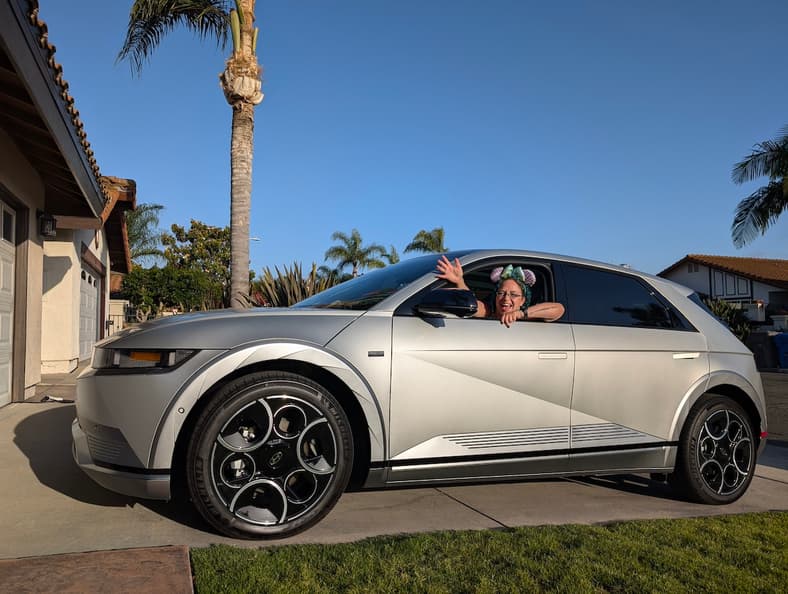
There are certainly other reasons EVs will continue to be an option for car buyers, but this one is hard to beat: EV drivers are about 90% likely to buy another EV and most won’t consider going back to a gas-powered car. They love the quiet performance and light carbon footprint, which becomes lighter as the car ages. They love the modern designs and being freed from traditional car design. Many like the speed, instant torque and fun drive experience that EVs deliver.
And having that choice is something that many drivers chose in the years before tax incentives were a thing, or when tax incentives didn’t apply.
And then, there’s this: tax incentives are just that: An incentive, not a structure. It’s probably time to take the training wheels off the EV market and let it roll on its own. It may falter bit and hit a few bumps, but it’ll be soaring on its own in no time.
Bibbity Bobbity Boo! The Hyundai Ioniq 5 Disney100 Platinum Edition Is Here!

More About:Car Buying