



Not long ago, I celebrated the birth of my third child. But a significant age gap between him and my older kids means it feels a bit like we are starting over. So many aspects of parenting have already evolved since I last had an infant at home, and car seat safety is no exception.
Car seats aren’t just another box to check on your baby registry. They are the single most important piece of safety gear you’ll use every day—yet most of us still have questions. Is it time to turn them forward? What about boosters? And what’s the deal with expiration dates? I had an unexpected bonus baby on the way and suddenly found myself asking these important questions all over again as I selected a car seat for my baby registry.
The National Highway Traffic Safety Administration (NHTSA) makes it clear: choosing the right seat, installing it properly, and using it correctly every single ride saves lives. Whether you’re a new parent strapping in a newborn or a seasoned carpool driver juggling three boosters and a teenager, here’s everything you need to know—and be reminded of—about car seat safety.
This story is 100% human-researched and written based on actual first-person knowledge, extensive experience, and expertise on the subject of cars and trucks.
How to Choose the Right Car Seat

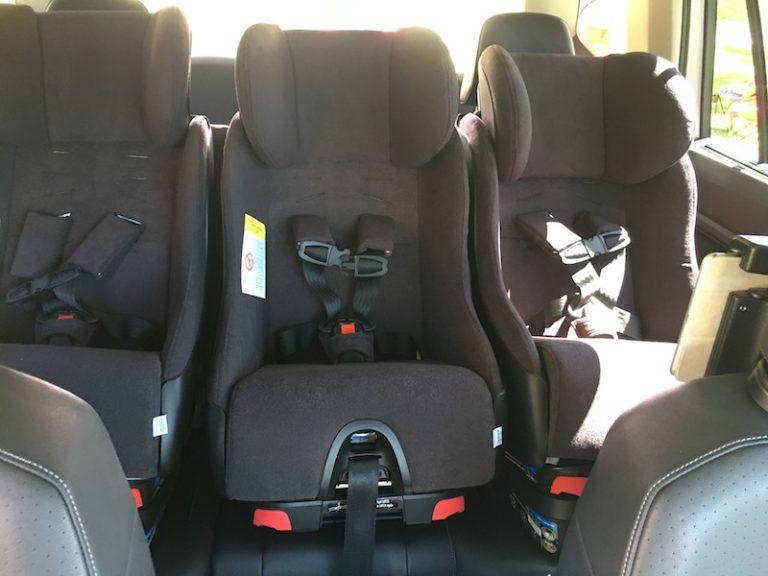
The right seat comes down to three things: your child’s age, height, and weight. All seats sold in the U.S. meet federal safety standards (FMVSS 213), but not all are right for your child—or your car.
Car seats come in four main categories:
- Infant-only seats: rear-facing only, with a detachable carrier and base.
- Convertible seats: rear-facing, then forward-facing with a harness.
- All-in-one seats: designed to last through rear-facing, forward-facing, and booster stages.
- Booster seats: used when a child is too big for a harness but too small for the seat belt to fit correctly.
Rear-facing is safest. Keep kids rear-facing until they hit the maximum height or weight limit of their seat—not just until their first birthday. Basically, you should keep them rear-facing as long as possible according to your specific car seat’s manual.
Read: LATCH Car Seat Systems: This is How To Install a Car Seat Easily … and Properly
Configuring Multiple Car Seats in One Car


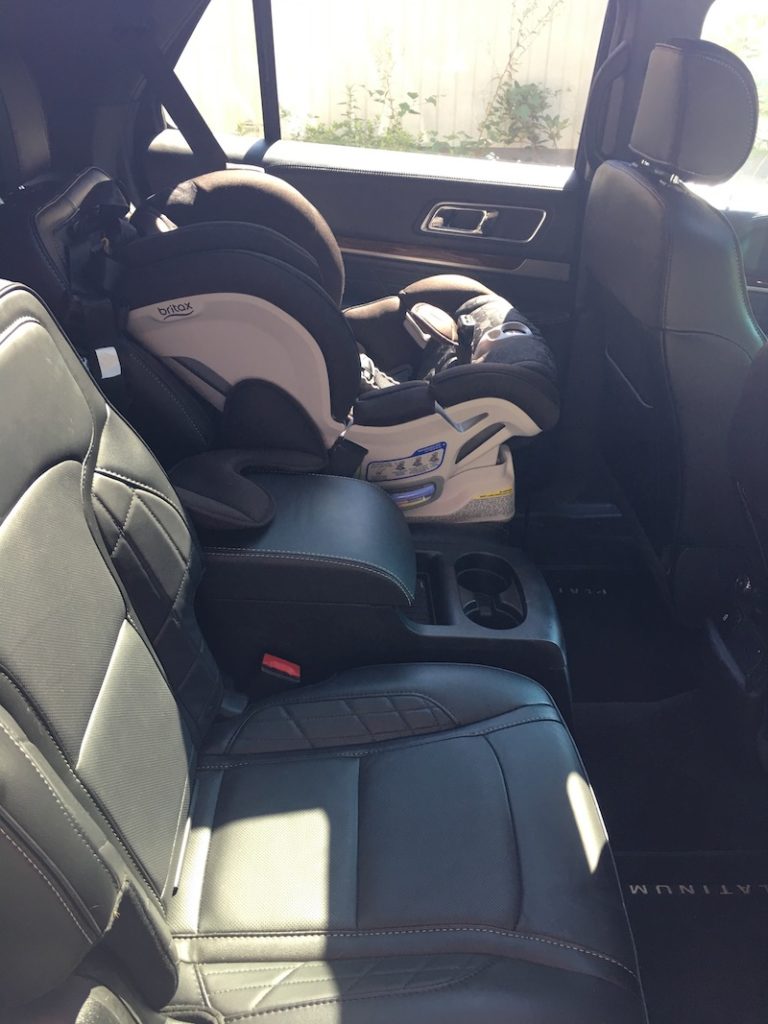
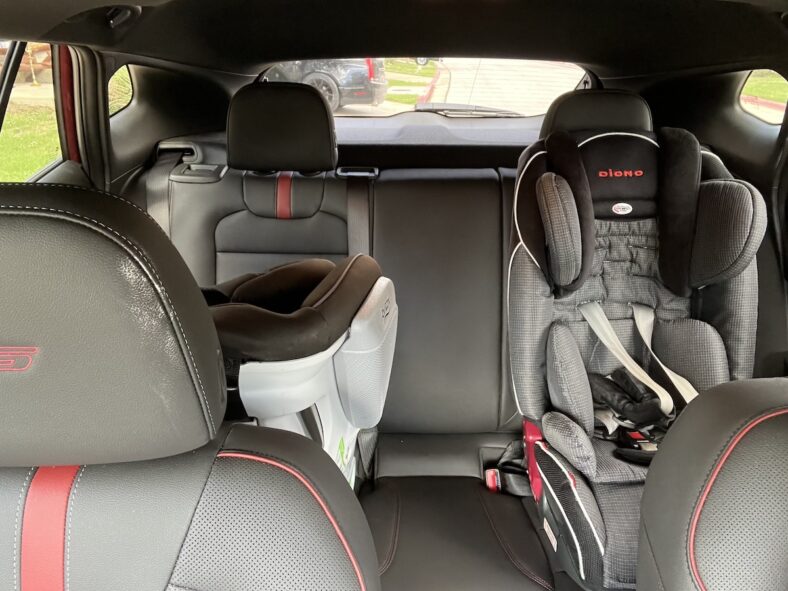
Got more than one car seat in the back—and maybe a teenager or adult in the mix, too? You’ll need a strategy. I have one still in a booster seat, a child who recently met the requirements to buckle up without a booster, and an infant in a rear-facing car seat.
The safest spot for the youngest or most fragile child is the center of the back seat, but only if there’s a proper seat belt or LATCH anchors. If you can’t fit three across, consider narrower models (brands like Diono and Clek are popular for this reason).
Older kids and teens should ride in the back when possible. NHTSA recommends keeping all children under 13 in the back seat. Adults can ride up front, but, much to my preteen’s dismay, kids are better off in back—even on short trips.
Read: Kids Car Seat Challenge: These 3-Row SUVs Fit Child Car Seats Best—Starting Around $40K
Know Your State’s Car Seat Laws


While NHTSA issues national best practices, state laws set the legal minimums. And yes, those minimums vary widely.
For example, Texas law requires children under 8 years old to be secured in a child safety seat system unless they are taller than 4’9″. After that, they can use the vehicle’s seat belt if it fits properly.
Michigan recently updated its child passenger safety law in April 2025. The change raised the requirements for boosters, now mandating that children under 8 years old and shorter than 4’9” remain in a booster seat. Previously, Michigan law only specified age, which left some kids transitioning too soon. The update was designed to reduce injuries from seat belts that don’t fit properly on smaller children.
Bottom line? Always check your state’s DMV or Department of Transportation site for the latest laws, because they do change.
Read: SUV vs Minivan: Which of the Best Minivans and 3 Row SUVs are Right for You?
What to Know from Your Car Seat Manufacturer

Your car seat’s manual is a goldmine of information. It spells out everything from installation methods to weight limits. And if you’ve misplaced the booklet? Don’t panic. Most brands have manuals available online, plus step-by-step installation videos are typically just a quick search away on YouTube.
Here’s what you should always know about your seat:
- Height and weight limits for each mode (rear, forward, booster).
- Expiration date, usually 6–10 years from the manufacture date.
- Approved installation methods (LATCH vs. seat belt).
- Proper harness slot positioning.
- Tether requirements for forward-facing mode.
- Label warnings and diagrams on the seat shell.
- Recall registration (always register your seat so you’ll be alerted if there’s a problem).
Read: How Do We Keep Our Kids Happy In Their Car Seats? Here Are All Our Secrets
Installing Car Seats Correctly

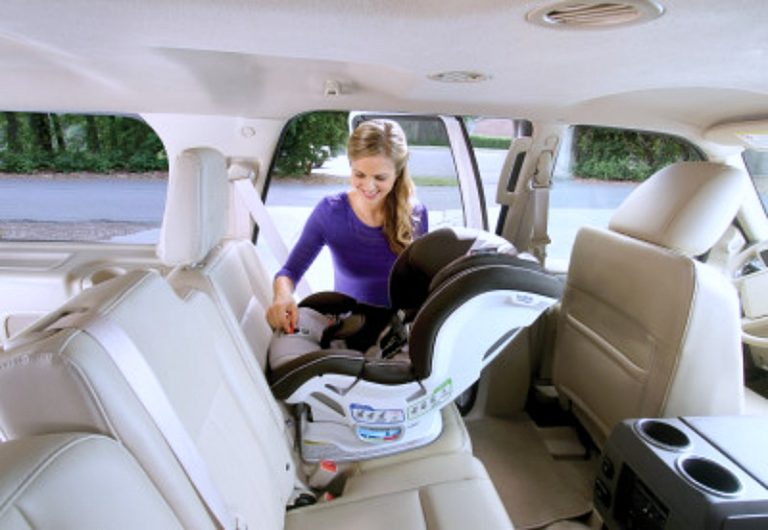
Research shows that most car seats in the U.S. are installed incorrectly. That’s a terrifying thought—but also fixable.
Always read both manuals: your car seat’s and your vehicle’s. They work together to show you the right belt paths, anchor points, and recline angles. A few rules of thumb:
- Use either LATCH or the seat belt, not both (unless the seat specifically allows it).
- The seat shouldn’t move more than one inch at the belt path.
- Rear-facing seats must recline to the proper angle to protect a child’s airway.
- Harness straps should be snug—if you can pinch the strap at the shoulder, it’s too loose.
- The chest clip goes at armpit level, not the belly.
- Never install a rear-facing seat in front of an active airbag.
What is a CPST and Why You Need One
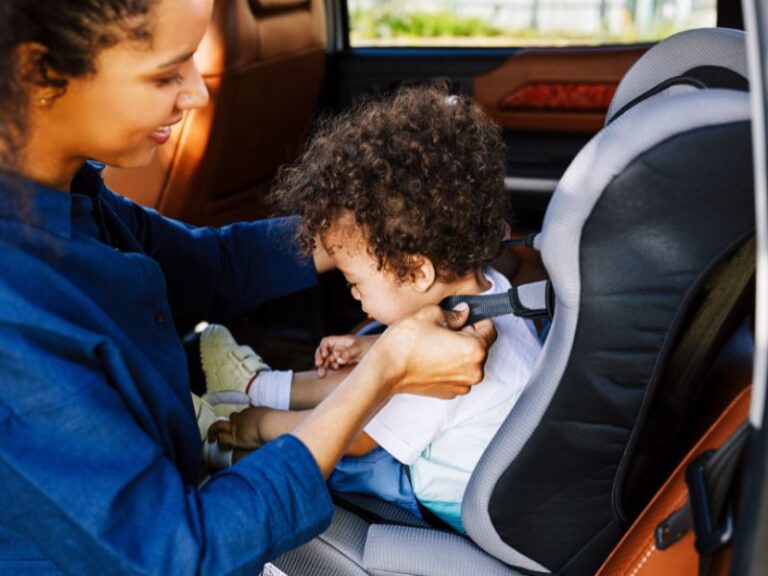
A Child Passenger Safety Technician (CPST) is a trained pro who knows car seats inside and out. They’ve taken a 40-hour certification course through NHTSA and Safe Kids Worldwide.
You can find one using the Safe Kids “Find a Tech” tool. Many hospitals, police and fire departments, and health agencies also host inspection events. These checks are often free, and the CPST will walk you through installation so you can do it yourself confidently. Knowledge is power when it comes to the correct installation and use of child safety seat systems.
When Can You Turn Your Child Forward-Facing?

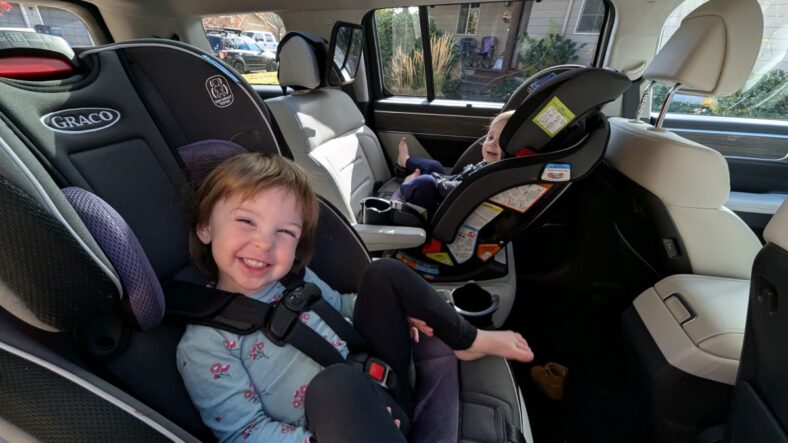
Parents often ask this one: “When can I finally turn my child forward?” The answer: not until they’ve maxed out the rear-facing limits of their seat.
For example:
- Graco Extend2Fit: rear-facing up to 50 pounds.
- Britax Marathon ClickTight: rear-facing up to 40 pounds.
- Evenflo EveryFit: rear-facing up to 40 pounds.
If your toddler is 2 years old but still within the weight/height range, it’s safest to keep them rear-facing. Their bones and spine simply aren’t ready for the forward crash forces yet.
Here’s Why Kids Need to Ride Rear-Facing For So Long


It seems uncomfortable, and kids often don’t love to ride rear-facing, but the science proves out the rule: Children have softer spines and weightier heads than adults; that means that a rear-end crash, sudden stop, or airbag-deploying incident can cause a baby or toddler to hyperextend the neck and spine, potentially causing permanent damage.
You can see the difference and potential harm to a child in this video, and it’s alarming.
As a result of new information, many states, the CDC, and other organizations have advised that children remain rear-facing as long as possible, and a number of states have revised their rules. It’s not worth the risk to your child to turn them around too soon.
How to Know When to Switch Seats

Transitioning too soon is one of the most common mistakes parents make. Here’s when it’s time to move up:
- Rear-facing to forward-facing: When your child outgrows the seat’s rear-facing weight or height limits (e.g., when they hit 40–50 pounds, depending on the seat). Example: your 3-year-old reaches 40 lbs in a Britax Marathon—time to face forward with the harness.
- Forward-facing to booster: Once your child has outgrown the harness limits (usually 65 pounds or 49 inches). Example: your 6-year-old hits 49 inches in a Graco 4Ever and can no longer use the harness.
- Rotating Car Seat: These are great for buckling and unbuckling a child and to create space to for passengers to climb past a rear-facing seat; the seat swivels to face either rear (up to 40 lbs.) or forward (up to 65 lbs.)
- Booster to seat belt: When the vehicle’s seat belt fits correctly without a booster. This usually happens around 4’9” in height (roughly ages 8–12).
- Back seat to front seat: NHTSA recommends keeping kids in the back until at least age 13.
Rules Of Thumb For Moving to a Different Car Seat

Here’s the quick reference chart:
| Transition | When Child Meets: |
| Booster Seat | At least 13 years old, with a proper belt fit, and the vehicle’s airbag safety considered. |
| No Car Seat / Seat Belt Only | Child passes the “5-step test”: sits back against the seat, knees bend over the edge, lap belt low on thighs, shoulder belt across chest (not neck), stays seated correctly. Usually around 4’9″ tall (~57″). |
| Front Seat | At least 13 years old, with a proper belt fit, and the vehicle’s airbag safety is considered. |
When to Toss Out a Car Seat


Car seats don’t last forever. Here’s when to replace:
- Expiration date: Most expire 6–10 years after manufacture.
- Crash: Replace after a moderate or severe crash (minor fender benders may not require replacement, but check NHTSA’s criteria). Don’t forget to check and see if insurance will cover this!
- Damage: Cracks, broken parts, frayed straps, missing components = time to toss.
- Recalls: If your seat is recalled, follow manufacturer guidance for repair or replacement.
- Unknown history: Don’t use second-hand seats unless you know their full history. There’s a reason Goodwill doesn’t accept secondhand car seats!
Safety Habits That Matter For Every Ride


The big rules save lives, but the small ones matter too:
- Always use the top tether when forward-facing.
- No bulky coats under harness straps—use thin layers and a blanket over the straps instead.
- Double-check recline angles for rear-facing seats.
- Always buckle up, even for short trips.
- Never leave a child unattended in a car.
Resources Worth Bookmarking

Have questions? Can’t remember where you saw this article? Want to share advice with other new parents? Bookmark these sites for quick access to critical information — and bookmark this article as a refresher, too!
The Bottom Line: Kids Car Seats Save Lives

Car seat safety isn’t just about following the law—it’s about protecting your child in the worst-case scenario. Keep your kids rear-facing as long as possible, use a harness until they outgrow it, and don’t rush the move to the front seat. And when in doubt? Ask a CPST to double-check your install.
Because trust me—the peace of mind knowing your kids are buckled in safely, mile after mile, is beyond worth it. And if the worst-case scenario becomes reality, you’ll know you did everything you could to keep your kids safe in the car.

