
Toyota’s New Feature Makes It Easier for Domestic Violence Survivors Across the Nation to Take Back Control
Toyota owners nationwide will have the ability to remove an abuser's access to their car, thanks to the company's cool—and hopefully expansive—feature.


If you haven’t experienced domestic violence, it’s easy to underestimate how deeply fear seeps into everyday life. Driving to work, picking up the kids and running to the grocery store. Ordinary moments become exercises in vigilance: mentally mapping exits, scanning surroundings, looking deeply into your car’s mirrors, bracing for what might happen.
Empathy comes easily. Understanding does not.
I do understand. The months between leaving my ex-husband and finalizing our divorce were some of the most frightening of my life. I never knew when he might show up. I knew him well enough to know he enjoyed the element of surprise, catching me off guard, feeding off my fear.
This was before smartphones made it possible to share locations instantly. Today, technology offers incredible convenience, but it can also be weaponized. Thankfully, Toyota’s new feature can help customers across the nation who are in a position I was in feel much safer.
This story is 100% human researched and written based on actual first-person knowledge, extensive experience and expertise on the subject of cars and trucks.
When Convenience and Connected Technology Become a Risk
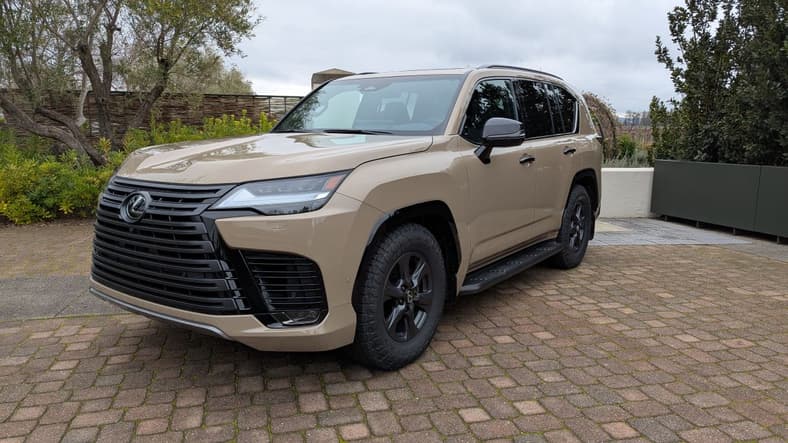
Many newer Toyota and Lexus vehicles include Remote Vehicle Access features meant to make life easier. Forgot to lock your car while rushing through the airport? Lock it from your phone. Can’t find your car in a parking garage? Activate the horn (ask me how I know). You can also remotely start the engine or check vehicle status, all thoughtful, everyday conveniences.
But those same features can become terrifying when someone you’re trying to escape has access. Location tracking. Middle-of-the-night remote starts. A horn blaring for no reason other than to send a message: I know where you are. I still have control.
That’s what this feature aims to address.
Protection Against Domestic Violence Gives Us Just One More Reason to Love Toyota
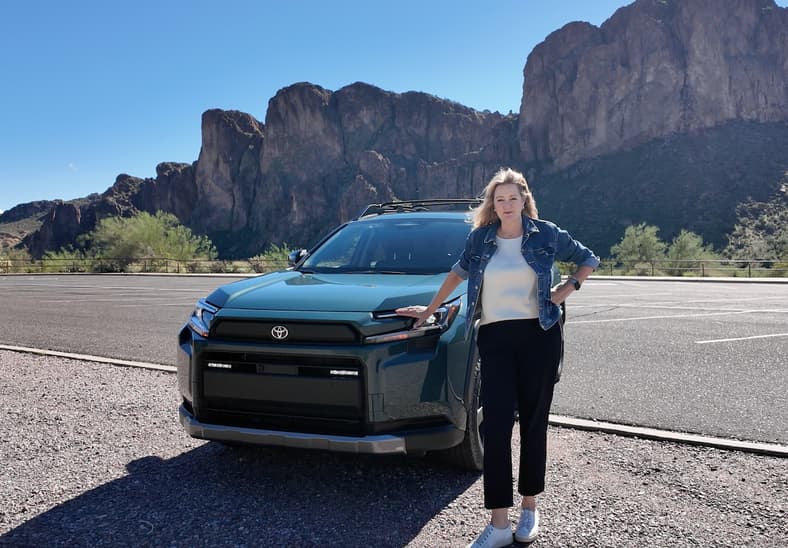
We love modern car features like remote start and app-based access. But what happens when those tools fall into the hands of someone who shouldn’t have them? Like an abusive spouse or ex-spouse? Boyfriend or girlfriend?
Toyota is addressing that question head-on, stepping up with a clear initiative designed to help domestic violence survivors disconnect remote access to their vehicles. The feature’s called “Disconnect Remote Vehicle Access.” The name is self-explanatory. With the right documentation, you can request that an abuser be removed from your car’s connected services.
This means that a person can no longer track your vehicle or access any other information about it, making it more difficult for them to track and stalk you. It’s a feature I wish I had, and I’m sure many other victims of domestic violence would have used to ease their anxiety and fear.
Toyota and Lexus put these sites (Disconnect Remote Vehicle Access and Disconnect Remote Vehicle Access) in place in early 2025 to ensure compliance with laws in California (Senate Bill 1394), New York (Senate Bill S9174A), and Louisiana (House Bill 74) designed to protect domestic violence survivors from abuse via connected vehicle technologies,” Toyota’s Kimberley Agnello, part of Connected Communcations, wrote in an email. “It’s worth noting that this solution is not only limited to residents of those three states, but also to residents of the other 47 U.S. states.”
Toyota owners are known for loving their cars and keeping them for a long time, and their reputation for reliability has always played a significant role in that. Their initiatives to prevent domestic violence add to the reasons to love Toyota.
How Toyota Helps Survivors Disconnect Remote Access
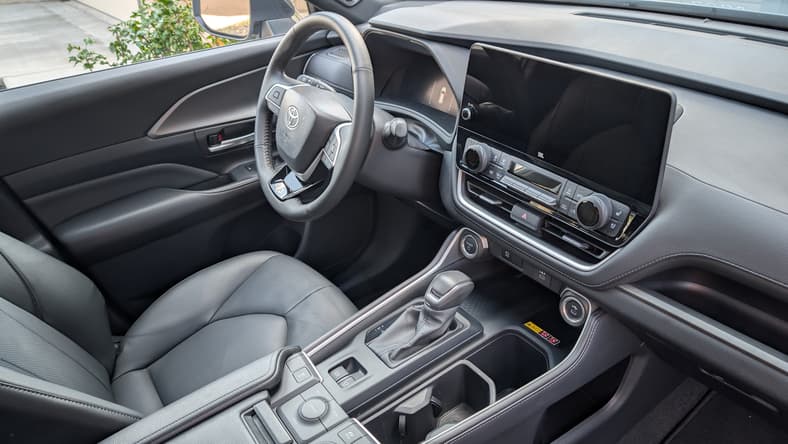
Toyota has introduced a relatively straightforward process for domestic violence survivors to disconnect Remote Vehicle Access. The steps vary slightly by state, with specific guidance outlined on Toyota’s domestic violence landing page.
To petition to have an abuser removed from their car’s profile, survivors must provide their Vehicle Identification Number (VIN) along with one qualifying document, such as:
- Vehicle title showing ownership;
- Vehicle title paired with a lease agreement with your name.
- Court order awarding sole possession or ownership;
- Proof of marriage to the owner of the car at the time of purchase or lease;
- A completed Attestation – Victim of Domestic Violence Form on their official website
Owners in all states have access to this feature, though the required proof varies by state. For instance, California doesn’t require owners to complete the Attestation – Victim of Domestic Violence form if there’s proof of a court order awarding possession. Louisiana doesn’t require the attestation either, as long as the filer has additional information, like a certified court order (such as a protective order) identifying the abuser and the survivor.
New York state, as well as most other states, requires the attestation of domestic violence, which Toyota provides a template for on the link provided above. The landing page also provides a number for residents of all states to call once they’ve collected all of the required documentation and within two days, Toyota will terminate all access to the connected vehicle, including the victim’s, and assist the victim with establishing a new account.
Toyota Uses Its Platform to Further Speak Up
In addition to assisting Toyota owners who are victims of domestic violence, Toyota is also a powerful voice in spreading the anti-DV message for all. Their recent YouTube video, titled Escape Vehicle, shows a frightened woman leaving her house with her small child. As she bundles her baby into the car seat, the viewer realizes the vehicle is not a Toyota, but a Ford.
The video ends with the message, “It doesn’t matter what you drive as long as you drive away.”
Toyota continues to walk their talk by making it easier for women to feel safe and be safe after they drive away.

More About:Car Technology