


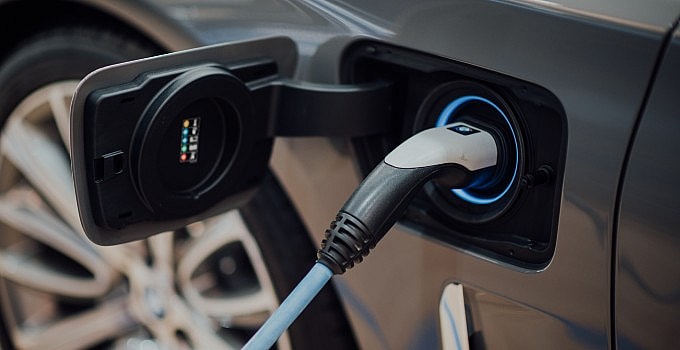
Swapping to an electric car is as big a decision as completely revamping your signature look.
Making the decision is a big one—and it can be difficult to decide whether or not an electric car is right for you. There are so many factors that come into play—some you may not have even thought of before. And there are so many conflicting positions on the pros and cons of electric cars that you can get overwhelmed wondering if it’s ever going to be possible to make the right call.
We get it. We’ve felt the same anxiety here at A Girls Guide to Cars, and that’s why we’ve put together a guide to the pros and cons of going electric. We’ve tried to consider all the possible options and come at this from an objective angle so you can make the most informed decision you can.
Welcome to Alternative Power Week! In honor of Earth Day, we’re going to spend the next several days diving into the nitty-gritty of the new, eco-friendly technology powering the vehicles of the future to keep you informed on all the latest changes in the automotive industry. If you have any questions or ideas for a future article, leave your ideas in the comments!
Related: The 2022 GMC Hummer EV Sheds Its Gas-Guzzling Skin to Become a High-Functioning EV
Pros of Electric Cars
If you’ve read anything about new cars lately, you’re probably very aware that electric cars offer a lot of benefits to prospective car buyers, but not everyone articulates exactly what it is that makes EVs so much more desirable than a traditional combustion engine. The main benefits include:
- Tax breaks. The federal government offers a certain discount on electric vehicles that amounts to a few thousand dollars sliced off the price tag. States also offer their own tax breaks, depending on where you live. The federal tax discount is $7,500 across the board. You can also read more about each state’s tax incentives here.
- Less maintenance. Where an internal combustion engine is made of tons of different moving parts, an electric car is powered by a battery, which is generally just one component or, at most, a handful of components. That means there are fewer parts to break or need repair. And yes, it also means you don’t have to worry about regular oil changes!
- Quieter. While some people love the growl of a powerful engine, many other people would rather their cars sound more like a whisper than a scream. And that’s exactly what you’ll get with an electric car: peace and quiet. As someone who ends up listening more to her music than to the car underneath her, this is a great benefit.
- A better, more renewable source of power. We’ll talk about the downsides of electricity in the Cons section, but for the most part, electricity is a more renewable source of power than gasoline—especially when that electricity is produced by water, solar power, or more.
- Electricity is cheaper than gasoline. While you won’t be able to completely cut out the cost of powering your vehicle by converting to an EV, electricity is so much cheaper than gasoline—especially if you have an at-home charger that can fill up your vehicle’s battery during off-peak hours, when electricity is super cheap. Using other charging networks can get a little more expensive, but you can still expect a huge bundle of savings if you don’t have to fill up your gas tank.
- Instant torque = instant fun. Who doesn’t love a car with a little extra kick? A traditional combustion engine can feature a little delay from the time you press your foot to the pedal to the time your car shoots forward to gain speed, which is due to the whole process of burning fuel to start moving a bunch of engine parts. But with an EV, that power is ready there, immediately ready to use, which means you’ll have so much more get-up-and-go than your combustion counterpart.
- Fun storage options. Without an engine taking up space in the front of the car, many automakers have opted for a “frunk,” or a front trunk, because the battery often rides underneath the vehicle. That means you can generally expect your EV to have a ton more storage space than its gas-powered counterpart. If you’ve been struggling to make use of the space in your already-large SUV, it may be time to consider an EV simply for the fact that you can pack in that extra stuff.
Related: The Fun-to-Drive Hyundai Kona Electric Helps to Save the Planet (and Your Money)


The beautiful interior of the VW ID.4 Photo: Obi Onyeador
Cons of Electric Cars
Of course, there’s a reason why the world hasn’t completely swapped to electric power yet. Well, there are a few different reasons. There are just some things that have yet to translate from gas to electric power, and they’re all totally valid reasons to be skeptical. And we’ll run you through those issues.
- Range anxiety. EVs have brought with them a whole new concept: range anxiety. Basically, this means the fears that people have when driving an EV: that they’ll run out of battery quicker than expected, that they won’t find a charger, that the charger they do find is costly or takes absolute ages to charge a vehicle. Fast chargers are still rare, and you can go hundreds of miles on a road trip without coming across any charger at all. These are really valid concerns, especially for people who don’t live in an urban area or who frequently make long trips. If you aren’t confident your car can make it to your destination, you’ll be afraid of piloting that vehicle.
- Accessibility. The accessibility problem is similar to the range anxiety one—right now, EVs just aren’t practical for people who live outside of metropolitan areas. It’s hard to go electric when you can’t find an EV dealership or a reliable charging network. And, even further, there are still plenty of people in America who struggle to access reliable utilities, which makes it all the more difficult to go electric.
- High cost. Tying into accessibility is cost. Electric cars are generally more expensive than gasoline-powered cars because the technology is new and we have yet to develop really efficient ways of building batteries. Those costs are generally only higher up front because of the savings you can achieve by not filling up your gas tank or having to take the car in for costly repairs—but not everyone is capable of making the investment for a new car and even possibly an at-home charging system right out of the gate. And if you do end up needing a mechanic, it can be hard to source one and expensive to use their services. And yes, if your battery goes kaput, it’s going to be really expensive to fix because you have to replace the whole thing, not just a component or two.
- Fewer model options. Because electric vehicles are still so new, there are still fewer options in terms of models than internal combustion engines. You’re still pretty limited. If you want a capable truck, you’ll have to wait a few more years. If you want a sports car, there are only a few choices. SUVs and sedans are most popular, but you’re still looking at just a handful of choices compared to the hundreds—or even thousands—of ICE cars on the market. If you’re someone who prefers to shop around and explore all your options, there aren’t many.
- Electricity may come from problematic sources. We’ll have a full article coming soon about just how clean electric cars are, but one big issue is that the electricity you use to charge your EV may come from problematic sources. According to the Environmental Protection Agency, some electricity providers burn fossil fuels to provide that electricity, which can negate some of the effects of your eco-friendly initiative.
Related: Electric Super Car Superstar: Porsche Taycan Charges Onto the Global Electric Stage


Even Porsche is getting into the electric car game. Photo: John Holden from Unsplash
Other Options: Hybrid or PHEV
Sometimes, going fully electric isn’t the best option, but thankfully, we have plenty of in-betweens: namely, different kinds of hybrids. These are vehicles that have a smaller battery that can provide a certain amount of electric power before your gasoline-powered engine kicks in, or that have a battery to help optimize gasoline usage. Either way, you’re getting a little extra juice.
Hybrids are a great option because they’re a perfect in-between step. You can test out all the best parts of an electric car—cheaper fuel costs, better for the environment—without any range anxiety because if you run out of electric power, the gas engine kicks in. If you run out of gas, you can just fill it back up.
Hybrids are perfect for people who may not have a long regular commute but who also frequently travel long distances. In some instances, you can travel up to 50 miles on a charge, so you’ll go weeks without needing your gasoline engine. But if you have a long trip ahead of you, you won’t have to worry about finding charging ports or waiting for your battery to fill back up. A lot of moms love this option because it lets them make short jaunts to the grocery store, to school, or to the soccer game without having to touch a gas pump for weeks at a time.
You can also receive certain tax incentives for purchasing a hybrid of PHEV depending on your state, which makes your purchase a little more affordable; that credit can be anywhere from $3,000 to $7,500 depending on the car you buy. It’s perfect if you’re just looking to try out EV power without the commitment.
The Final Verdict? It’s Up to You
Everyone has different needs when it comes to buying a car. You may desperately want to swap to something better for the environment but live in an area where it would be almost impossible to charge your car. Or you may have great access to chargers but have a commute that would leave you feeling anxious about range. At the end of the day, there is no right or wrong answer—EVs are undoubtedly better for the environment than an internal combustion engine, but they still have practical drawbacks that make the swap a difficult one.
Whatever you decide, remember that it’s your decision. You have the best ability to gauge your own needs and those of your family, and no one else should have a say in your choice!

