
Soft-Roader, Off-Roader, Overlander, Trail Rider: How They Differ and How To Know Which Is For You
Different types of vehicles accommodate different types of adventurers. But how do you know which one is best suited for which adventure? Here's how to tell

Have you ever started looking into a hobby and realized it goes way deeper than you ever expected? For example, maybe you considered watching a Pokémon movie. Then you discovered that there are card collections, phone games, TV shows, video games, and generations that evolve. It can get expensive and overwhelming. Listening to the fans can get confusing… but it’s intriguing too.
Off-roading can be the same. But that doesn’t mean it’s not worth understanding the different types of adventure driving and the cars that are best for each one. Once you learn, though, the different types of SUVs and 4x4s make sense, especially when you consider what adventures these vehicles, from soft-roaders, off-roaders, overlanders, and trail riders, offer their owners,
Whichever adventure, or level of wintry challenge, is on your radar, there’s a 4 wheeler for that.
This story is 100% human-researched and written based on actual first-person knowledge, extensive experience and expertise on the subject of cars and trucks.
First Things First: Types of Adventure Vehicles
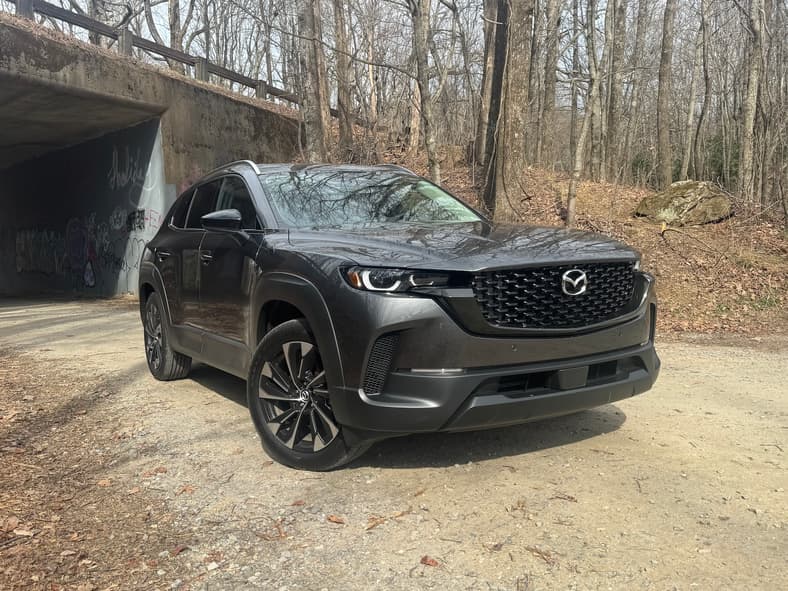
SUVs come in two types: Unibody and body-on-frame. Both are great for what they do, and while they have a lot of the same capabilities, they are not ideal for all conditions.
The unibody SUV is a lightweight SUV that is built as a single piece,, meaning the body of the car is an extension of the frame; this gives structural strength, a lighter weight and a more comfortable ride. Unibody SUVs are the alternative to body-on-frame construction, the heavy-duty structure that uses separate components—a frame and a body that sits on top of it—to add more flexibility to accommodate challenging drives. Body-on-frame usually describes trucks and true 4x4s such as the Jeep Wrangler and allows maneuvers like crossing rivers and crawling up rock faces.
Unibody SUVs are more affordable than hardcore off-roaders and are capable for camping, light trails and of course, wintry weather. They’re also more fuel efficient, making them preferable for family road trips and daily driving.
A Soft-Roader Scratches The Surface
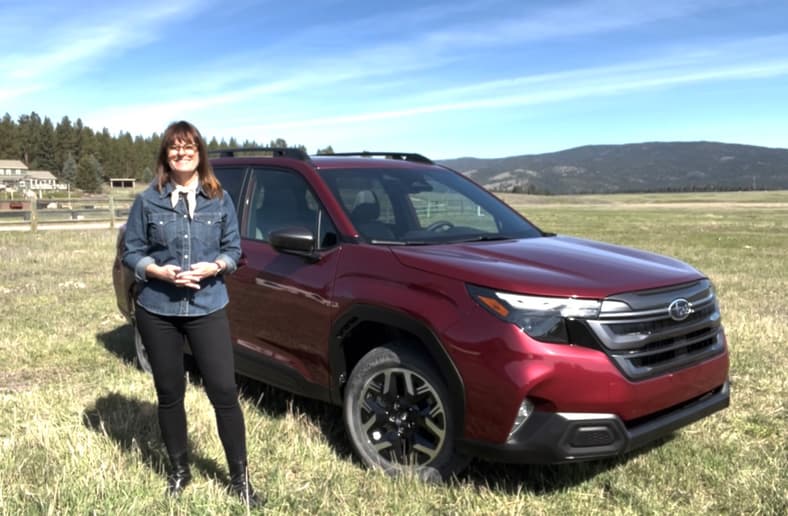
The soft-roader is built for light off-roading. Getting to a camp site or trail head, trudging through the average snow storm and the reliable mud season. A soft-roader refers to an all wheel drive car or SUV that’s primarily built for pavement driving and everyday use. They usually have just enough ground clearance, at about 8.0 inches, and either full time or on demand AWD to tackle light, unpaved terrain. They excel in gravel, snow, rain, and light mud.
A few solid examples include the Subaru Forester, Honda Pilot TrailSport, or Mazda CX-50. Along with a taller suspension, they have dedicated off-roading modes for various types of terrain like mud and sand. Plus, these cars usually ride on all-terrain tires and may feature protective cladding around the wheel wells and bumpers.
An Off-Roader is More Capable

If you’re looking to traverse steep inclines and handle deeper mud or inclement weather situations with more confidence, then an off-roader might be a better fit. These cars are purposely built to dominate tough terrain. These are your options for rock crawling, water fording, and even climbing over obstacles.
A few examples include the Jeep Wrangler, Toyota Tacoma, or Rivian R1T. They often have a higher ground clearance. For example, the highest factory available ground clearance for the Wrangler is 12.9 inches. Plus, they ride on larger all-terrain tires. Some models have tow hooks and skid plates for extra protection and the ability to get out of sticky situations.
Off-Roaders Often Offer More Specialty Options
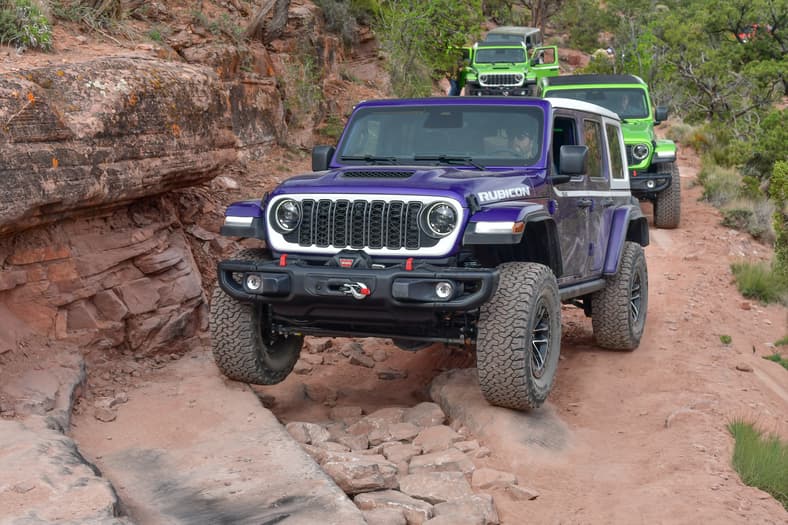
True off-roaders are designed to be modified. In the past, off-road modifiers could add extra gear and features to give off-roaders more control on the trail. Now, brands like Ford and Jeep offer these features as trim options.
While some models like the Ford Bronco feature crawl control mode—essentially low-speed cruise control for going down a steep hill—to take the guesswork out of off-roading, they also offer more off-road settings and equipment such as electronically locking differentials for enhanced control. Going to a driving school, like the Bronco Off-Roadeo, can help you quickly master your ride.
Off-roaders are typically 4WD; the unibody AWD structure isn’t sufficient for more challenging terrain. And, the body-on-frame structure enhances durability and capabilities to stand up to harsh environments. While off-roaders do much more than get you to the campsite, the heavy suspension comes at the expense of fuel economy and on-road comfort.
An Overlander Is The Adventurer That You Camp In
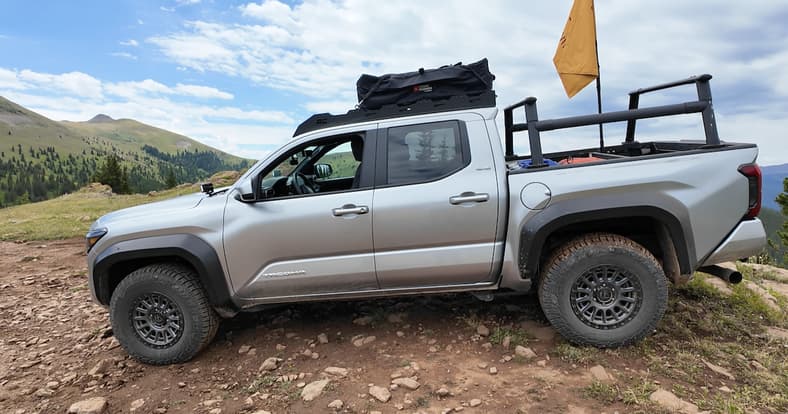
Many soft-roading or off-roader vehicles can be modified into an overlander. Basically, an overlander combines camping with the ability to adventure because everything you need to survive and comfortably rest is included with your car. They often include rooftop tents or tents over the truck bed. More intense overlanding rigs include water filtration systems, tools, first aid kits, mini-fridges, and a way to cook food.
Also, a lot of overlanding rigs have built-in wifi hot spots, allowing you to stay connected while you’re off the grid. A few examples of factory-available overlanders include the Toyota Tacoma Trailhunter or Ford Transit. But SUVs like the Jeep Wrangler or Toyota 4Runner can easily be turned into overlanding rigs.
There are plenty of aftermarket rooftop tents and accessories available for custom camping experiences. Typically, overlanding vehicles are a bit larger with all the extra gear attached. They’re also heavy, which may impact your gas usage. They’re for exploring remote locations and finding the perfect spots to relax and aren’t exactly geared for off-roader trails or serious rock climbing. They help you stay over the land.
A Trail Rider Isn’t Even A Car—And Goes Where Car’s Can’t
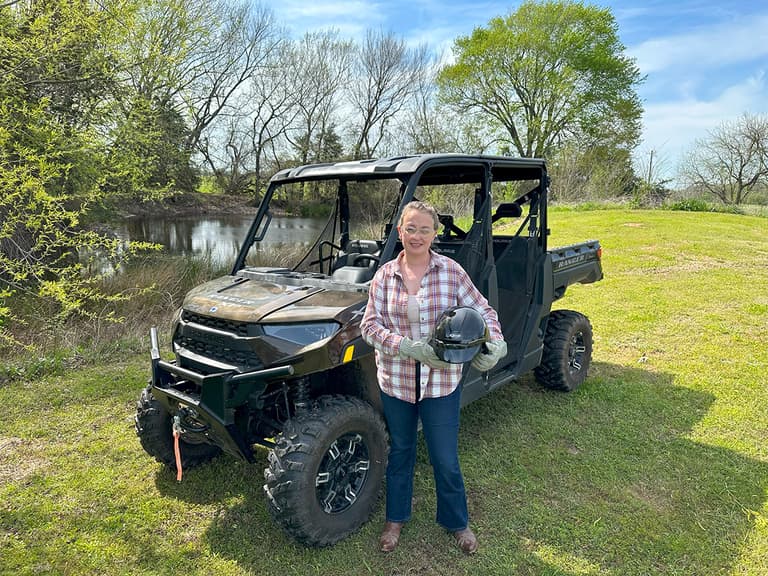
If you want to go off-roading with a recreational vehicle like a dirt bike, ATV, or side-by-side, then you’re looking for a trail rider. Even horses are considered to be trail riders, and they don’t require gas or charging. These are smaller vehicles for narrower trails in places that don’t typically have motorized traffic.
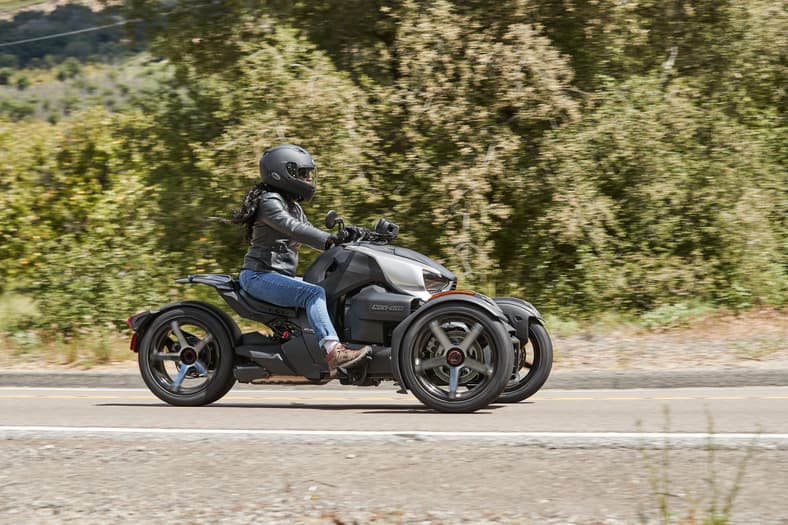
A few examples of trail riders include a Cam-Am trike, Polaris ATV, or electric mountain bike. Typically, you need an SUV or truck to tow trail riders to a recreational park, but you can drive trikes and off-roading motorcycles to the trailheads. Some folks use their off-roader or overlanders to tow their trail riders to adventure parks.
Also, trail riders don’t require you to build or use an off-roader as a daily driver. They provide a bit more exposure to the elements to connect with nature. But it’s important to be safe and prepared with protective equipment like helmets, gloves, and boots. Always respect the speed limits and be aware of trail closures and surrounding traffic.
Off-Roader, Soft-Roader or Trail Rider, All Deliver Incredible Freedom
Thanks to social media, remote work and communities of like-minded nomads, the off-roading, overlanding and even soft-road lifestyle has become the dream for so many of us. And thanks to a variety of vehicles that allow us to learn and explore, there are multiple ways to find your adventure with the perfect type of SUV. Isn’t it nice to forget about city life and immerse in the freedom of the trail?

More About:Car Culture