
What Your Car’s Snow Mode Is, What It Does, and Why It’s Essential for Winter Driving
Your car's Snow Mode is a drive mode that helps maintain and regain traction in winter driving conditions. Here's how it works, why, and when you should use it.

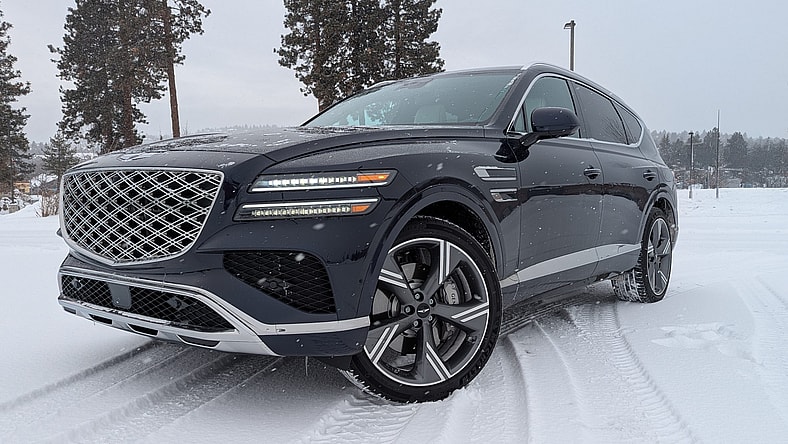
This is the time of year when it feels like Mother Nature is playing mind games with us. “Winter’s over, get your shorts and flip flops out! Just kidding, it’s snowing now.” Even if this latest round of winter weather, slated to hit the U.S. as February ends, doesn’t affect everyone the same way, it likely means one more stretch of snow-covered roads for drivers in colder parts of the country.
I didn’t grow up driving in snow. I’m from South Texas, and when severe winter weather comes a’calling, we close the freeways and stay inside because Home Depot doesn’t stock enough driveway salt and no one owns a snow shovel. But I lived in the Midwest for five years and had to learn how to navigate ice and snow in my car. Even if you don’t deal with snow regularly, understanding what your car’s snow mode does—and when to use it—can make winter driving feel a lot less intimidating.
Snow mode isn’t magic, but it does make specific adjustments to help your car handle slippery roads more predictably. Knowing what those adjustments are can help you decide when to use snow mode—and when you don’t need to.
This story is 100% human-researched and written based on actual first-person knowledge, extensive experience and expertise on the subject of cars and trucks.
First, What Does a Car’s Snow Mode Do?
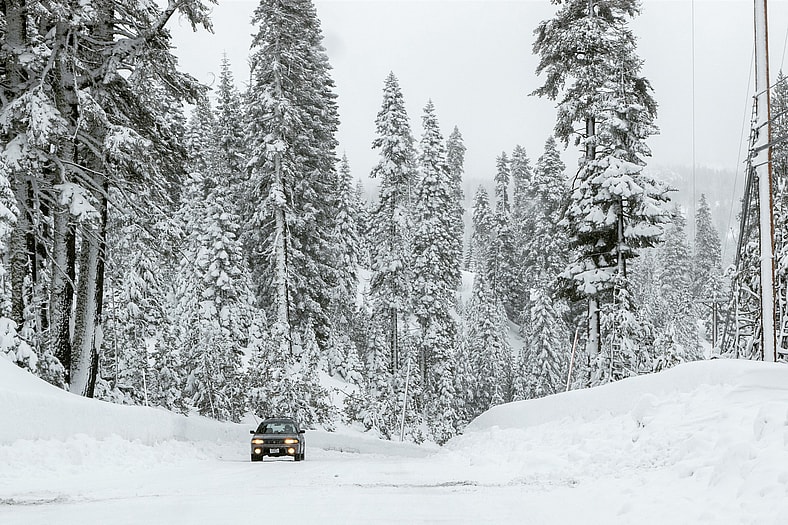
Think of snow mode as giving your car a heads-up that you’re going to be driving on snow, slush, or in icy conditions. The mechanics of snow mode allow your car to start in second gear to dramatically slow starts from a stop, which limits wheel spin and gives you better control. With snow mode on, you’ll reduce your odds of oversteering.
Snow mode softens acceleration and may adjust your car’s shift patterns, which can affect how high or low your RPMs run, depending on the vehicle. This is important for winter driving because sudden bursts of power can cause your tires to spin on slick surfaces. By smoothing out how power is delivered to the wheels and helping the car move more gradually from a stop, snow mode can reduce wheel spin, give you more controlled traction, and increase your confidence driving on snow or ice.
For some AWD cars in Normal or Econ mode, the engine’s power is designed to bias the front or rear wheels for the sake of mileage. When put in Snow Mode, the power is distributed evenly, so the front and rear have an equal amount of power, increasing traction and reducing the chance of losing traction.
How Do I Know if My Car Has Snow Mode?
If you live—or bought your car—in a place where it never snows and have read this far, “Does my car even have snow mode?” might be what’s popping up in your thought bubble. Although your owner’s manual that came with the car will give you the lowdown on all of your car’s features, an easy way to tell if you have snow mode is to look for a button on your center console that says “snow” or has a snowflake-type symbol. Alternatively, your car’s snow mode button may have a W for “Winter.”
When you push the button, you’ll see a corresponding light on your dashboard letting you know snow mode has been activated. Your mileage may vary – some models may have a dial instead of a button.
Some luxury cars had a dedicated snow mode in the early 2000s (Lexus was one such automaker), but domestic cars didn’t start having a snow mode until the 2010s. If you don’t see these buttons and your owner’s manual doesn’t mention snow or winter mode, your car may not have this feature.
When to Use—and When Not to Use—Snow Mode

You can activate the snow mode button at any time while driving. When setting out in snowy conditions, consider pressing it when you start your engine, although some models allow switching while driving. It’s especially helpful when it’s actively snowing, if the roads are slick or icy, or when driving up a snowy hill, and deep snow.
Don’t use snow mode when you’ve got a clear, dry road. Often, residential streets or backroads are snowy or icy when highways or busy main roads are clear and dry, so you’ll want to turn your snow mode off accordingly. Nothing earthshatteringly bad will happen if you forget to turn your snow mode off when you get on the highway but it’s not good for your car and can cause unnecessary wear and tear on the drivetrain, depending on the car.
Awesome gas mileage may not be your first concern when navigating the roads in snow, but if you have your snow mode on when you don’t need to, you may see a slight dip in fuel efficiency.
Is Snow Mode Different From AWD or 4WD?

Yes, they’re different. A front-wheel or rear-wheel drive can have a snow mode (ask Natalie about her FWD Chevy Trailblazer’s Snow Mode). Some AWD cars don’t have a snow mode. In a nutshell, AWD is a mechanical system that sends power to all four wheels to improve traction, while snow mode is a driving setting, or drive mode, that adjusts how your car responds to slippery conditions.
AWD helps you get moving and maintain grip in rain or snow, while snow mode fine-tunes throttle response and shifting to reduce wheel spin and make acceleration smoother. AWD and snow mode are different functions that do different things, and you can use both at the same time.
Why Is Snow Mode Important for Winter Driving?
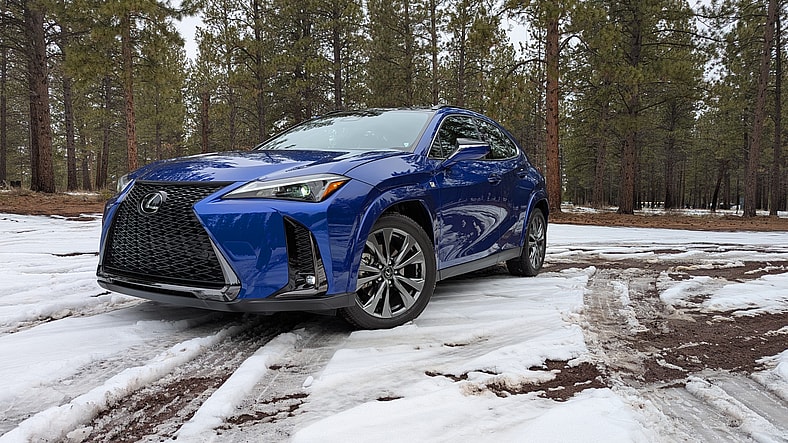
Driving in snow or icy conditions can be treacherous for several reasons—slippery roads, reduced visibility, the dangers of exposure in case you get stranded somewhere—but it’s important to know what your car can do to respond to the elements.
Understand what all those buttons on your center console do, even if snow is a once-in-a-while thing. My car doesn’t have a snow mode, and since I live in San Antonio, it’s not a feature I’d prioritize when buying a car, but if I lived in a colder climate, it would be something I’d place more importance on and it would be part of the conversation I’d have with my kids about driving.
If driving in snow, ice, or slush is part of your normal winter driving landscape, learning how to use your car’s features to help give you the best traction and control is just as important as having snow tires or knowing when the weather outside is too dangerous to be on the roads.

More About:Car Technology