


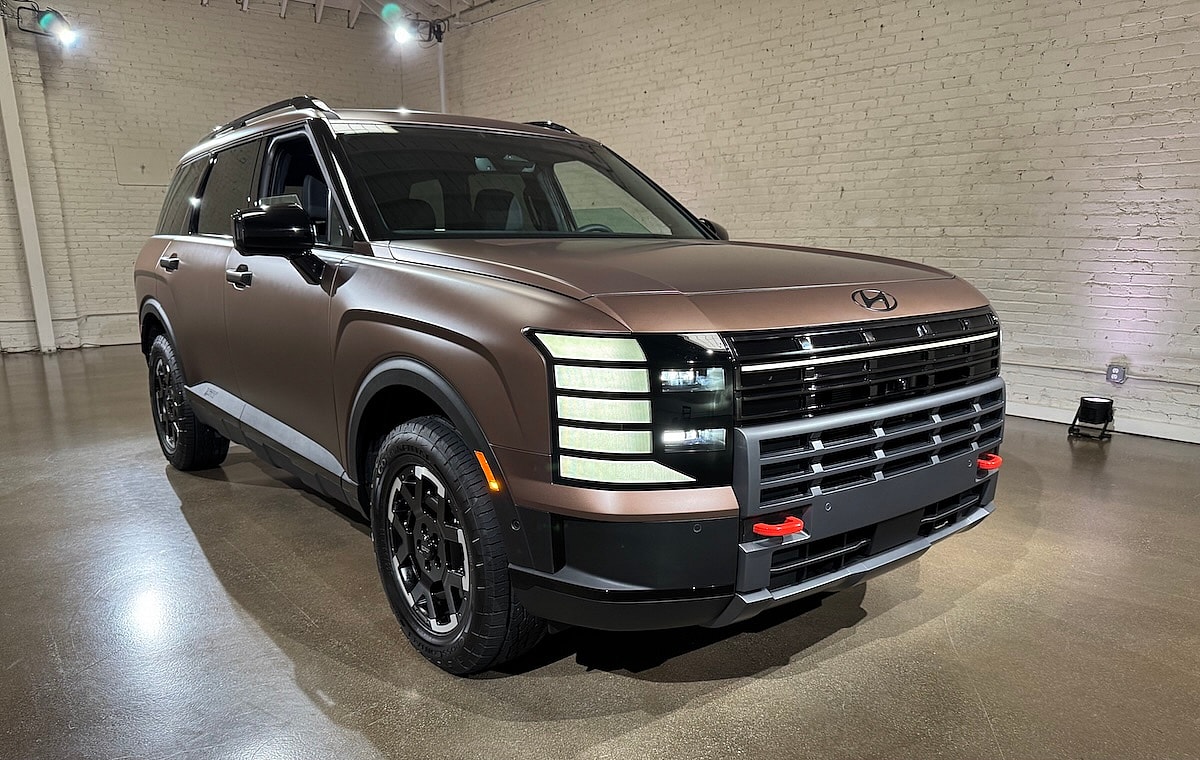
Choosing the right engine in a new car can feel overwhelming; the engine is the single most expensive item on a new car and it impacts things like performance and fuel economy. And carmakers often offer multiple options, allowing you to save on the price and later, on gas.
But all those terms that describe what you get, such as horsepower, torque, turbos, hybrids and cylinder counts may take on new significance after the purchase—when you find yourself wishing you had chosen the V6 over the four-cylinder option because the smaller engine won’t tow your boat or it struggles getting onto the freeway when the car is full of kids and luggage.
Which engine is best boils down to one simple question: Is it powerful enough to comfortably move the vehicle, its passengers and your everyday cargo?
If the engine is only “barely” sufficient, you’ll notice it: slow acceleration, loud revving and a sense that the car is straining. It’s like trying to clean a whole house with a cordless stick vacuum or cooking a five-course meal on a camping stove—it’s possible, but it could be better.
This story is 100% human-researched and written based on actual first-person knowledge, extensive experience and expertise on the subject of cars and trucks.
First, a Quick Perspective Swap

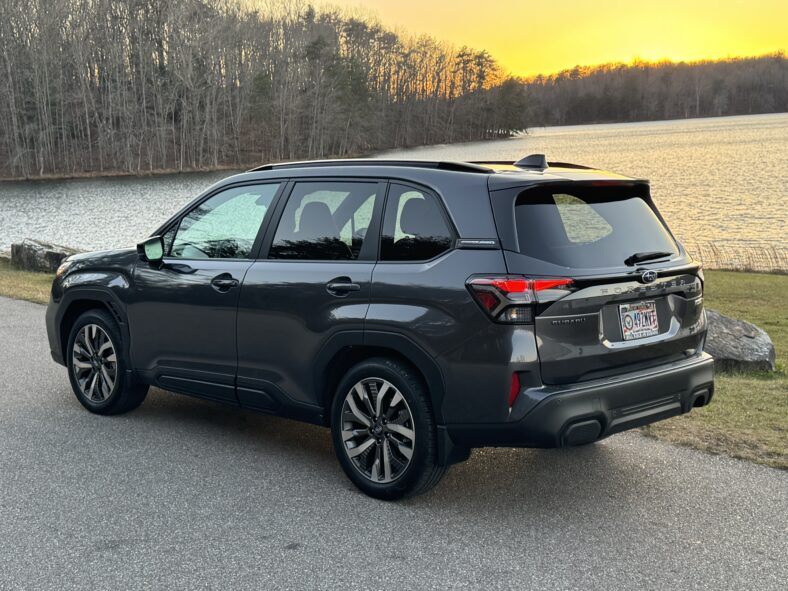
An engine, regardless of cylinder count, horsepower output, or torque generation, bears a lot of responsibility, even if you’re doing something as simple as dropping the kids off at school. Engines don’t just move the car. They move:
- The car’s curb weight (thousands of pounds)
- The people inside (hundreds more)
- The cargo you load in (typically a hundred more pounds)
- The hills you climb (working harder to move that extra weight up a hill to maintain speed)
- The traffic you crawl through (most of the kinetic energy the engine generates is wasted just moving those few extra inches)
- The trailers you tow (often thousands of additional pounds)
Small engines in today’s vehicles—like the Subaru Forester’s 180‑hp four‑cylinder or the Hyundai Santa Fe Hybrid’s 231‑hp setup—can do the job, but they feel strained. Even the Toyota Grand Highlander Hybrid’s 245-hp turbo motor sounds fine until you remember the vehicle weighs nearly 6,000 pounds.
Fill it full of stuff and people and that’s even more. Bottom line is: the more you have in your car, the harder the engine has to work. The smaller the engine, the more strained it is—which means more wear. This is why picking the right engine is important. A bigger engine lasts longer, has a better balance of power and is a lot more capable, but it gets worse mileage. A smaller engine is more efficient, but isn’t as good for hauling large loads.
A diesel engine is better at hauling and requires less maintenance but they can be loud and it can sometimes be hard to find diesel fuel in residential areas and can be more expensive than gas; diesel prices are influenced by geographic region, taxes and other factors, separate from the factors that influence gas prices. V8s are great for towing and hauling, but they’re thirsty and turbochargers add power and performance, but at the cost of mileage. There are pros and cons to each engine choice. Here’s when to choose each one.
Buy a Three‑Cylinder, Not a Four‑Cylinder, If You Want Efficiency and Light, Fun Driving


Three‑cylinders are the truly under-appreciated underdogs of the engine world—small, punchy and perfect for short bursts. However, they’re best enjoyed in moderation. Three‑cylinder engines get a bad reputation in the U.S., mostly because people assume “small engine = no power.” But in the right vehicle, they’re surprisingly lively and extremely efficient, especially when paired with a turbo.
They’re lightweight, mechanically simple and great for city driving or shorter commutes. Cars like the Ford Bronco Sport 1.5L, Nissan Rogue 1.5L Turbo and Mini Cooper 1.5L prove that a well‑designed three‑cylinder can feel zippy and fun without burning much fuel.
Where they fall short is in long highway drives or fully loaded family duty. A four‑cylinder simply has more breathing room for sustained speed, hills and extra weight. But if you’re mostly commuting solo, running errands, or navigating tight city streets, the three‑cylinder’s lighter feel and better MPG make it the smarter buy.
If your daily drive is more “urban sprint” than “interstate marathon,” the three‑cylinder is the one to choose.
Buy a V6, Not a Four-Cylinder if You Have to Haul a Lot or Tow
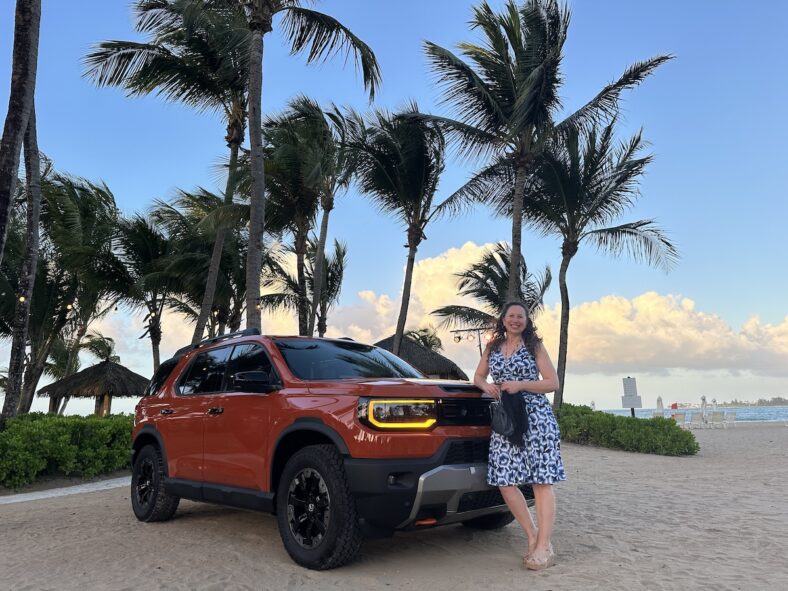
Horsepower is important for passing slow cars or going quickly from a stop, but torque, or pulling capabilities, is more important for hauling kids and goods than you probably think it is.
Four-cylinder engines are better for mileage around town and on the highway, but popular four-cylinder SUVs like the Subaru Outback, Honda CR-V, or Toyota RAV4 are excellent choices for small families in terms of mileage, but struggle when going uphill when it’s full of kids or gear (often both).
When an SUV is equipped with a V6, like the Honda Pilot, Nissan Pathfinder, Honda Passport, Kia Telluride,and Hyundai Palisade, come with engines that are more robust and have a decent amount of torque, which translates to better pulling power (torque) over speed (horsepower).
Therefore, if your weekends involve Costco runs, sports gear, strollers, camping supplies, or towing anything heavier than your patience, a V6 is the friend who shows up ready to work. All V6 SUVs I listed have a towing rating of 5,000 pounds or higher, by the way. None of the four-bangers I mentioned don’t. So, do what you will with that info.
On the Contrary, Buy a Four-Cylinder, Not a V6, if You Don’t Need Muscle

You probably could guess where I’m going here. If you don’t have to haul half of a soccer team, tow a camper, or more than two kids, a naturally aspirated (or non-turbo) four-cylinder works just fine. Modern, popular examples would be a Subaru Outback, Forester, or Crosstrek, Toyota RAV4, Toyota Highlander, Mazda CX-5, or CX-30.
All of the examples we listed have a respectable amount of cargo space, too, so they would work if you use them for weekend camping trips with you and your spouse or a friend—it will just struggle if all five seats are full and the trunk is full. Ask me how I know. I have a 2011 Subaru Forester and that’s the only real complaint I have about it.
Buy a Turbo Four for Larger SUVs, Not a V6, if You Want Mileage Over Muscle

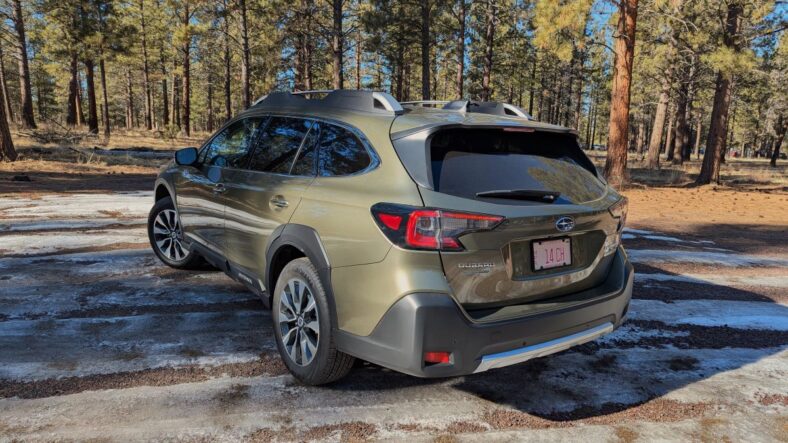
Turbo‑fours are the modern “just right” engines—small enough to save fuel, strong enough to feel quick and perfect for drivers who want a little extra punch without paying V6 prices. Before turbocharged four‑cylinders became common, most midsize SUVs and sedans relied on V6 engines for power.
Today, a well‑tuned turbo‑four can make just as much horsepower as an older V6 while using far less fuel. They’re responsive, efficient and great for drivers who want a little more excitement without stepping up to a bigger engine.
Where they struggle is in very large SUVs—but in compact and midsize models, they’re ideal. Vehicles like the Mazda CX‑50 Turbo, Subaru Outback XT, Acura MDX (base turbo‑four) and Infiniti QX60 show how capable these engines can be.
If you want strong acceleration and good MPG in a smaller or midsize SUV, the turbo‑four is the smarter buy.
Buy a V6 Hybrid, Not a Turbo-Four Hybrid, If You Want Power and Efficiency in a Big SUV

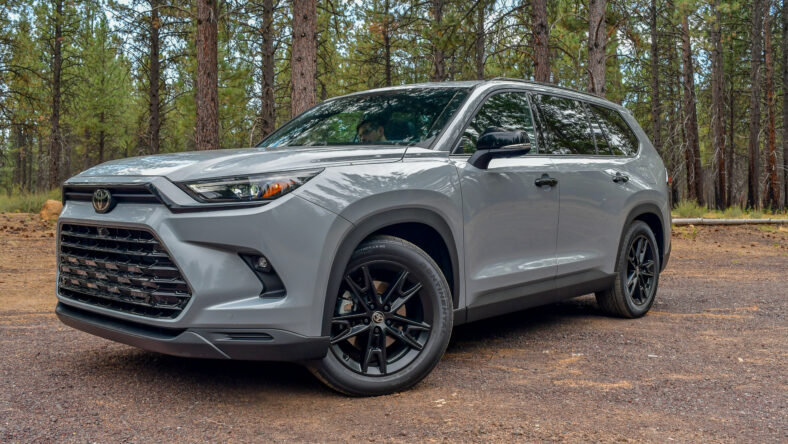
Some families want it all—space, strength and decent mileage. A V6 hybrid is the unicorn that can bridge the gap. Turbo‑fours can feel overwhelmed in big three‑row SUVs, but a V6 hybrid solves that problem beautifully. These engines combine the low‑end torque of electric motors with the smooth, confident power of a six‑cylinder. The result is effortless acceleration, better towing capability and surprisingly good fuel economy for a large vehicle.
Models like the Toyota Grand Highlander Hybrid MAX and Lexus TX 550h+ prove how well this formula works. They’re powerful enough for full families plus gear, road trips and hills, but efficient enough to keep fuel costs reasonable.
If you want the best blend of strength and MPG in a large SUV, the V6 hybrid is the one to buy.
Buy a Diesel, Not a Gas V8, If You Tow Heavy Loads

Diesels are the marathon runners of the engine world — slow and steady, but capable of pulling a house if you ask nicely. Diesel engines generate massive torque at low RPMs, which makes them ideal for towing, hauling and long‑distance highway driving.
They’re durable, efficient under load and built to handle thousands of pounds without breaking a sweat. That’s why freight companies still use them for trucks, trains and commercial vans. Gas engines can tow, but they work harder, burn more fuel and wear out faster when pushed to their limits. If you regularly tow a boat, camper, or trailer, a diesel is the smarter long‑term choice.
Great examples include the GMC Sierra Duramax, Chevy Silverado Duramax, Ford F‑250 Super Duty and Mercedes Sprinter. If towing is part of your lifestyle, diesel is the buy.
Buy a V8, Not a V6, If You Want Maximum Muscle


V8s are tried and true. They’re loud, proud and unapologetically extra. They’re the automotive equivalent of ordering dessert first. While V6 engines are more efficient, nothing beats the effortless power of a V8. They’re built for towing, hauling and performance.
If you’re buying a truck or SUV specifically for strength, or you want a performance car that makes you grin every time you hit the gas, the V8 is still king. They’re thirsty, yes. But they’re also durable, capable and incredibly satisfying to drive.
Examples include the Chevy Tahoe 5.3L, Ram 1500 Hemi, Ford Mustang GT, BMW M5 and Audi RS Q8. If you want maximum power, the V8 is worth it.
Buy a Turbo V8, Not a Naturally Aspirated One, If You Want Luxury Performance
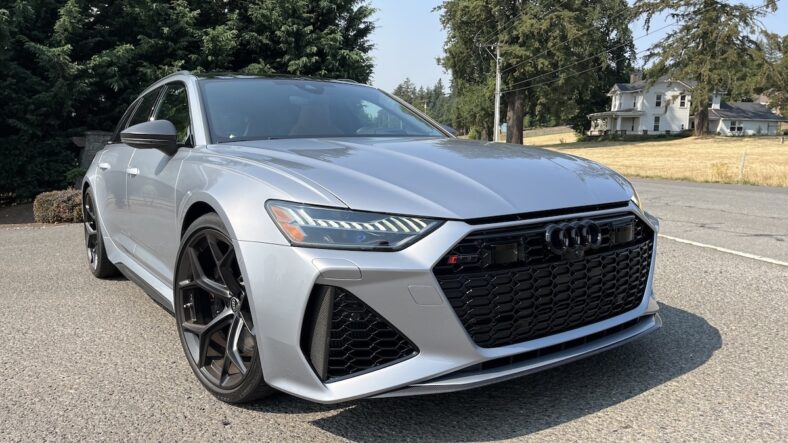
Turbo V8s are the engines for people who want speed, smoothness and a little bit of chaos—in the best way. Luxury performance brands use turbocharged V8s because they deliver massive power without needing a huge displacement. They’re fast, refined and engineered for drivers who want the best of everything: acceleration, handling and prestige.
They’re expensive to buy and maintain and some drink premium fuel like it’s their job—but if you’re shopping in this category, you already know that. Top examples include the Mercedes‑AMG V8 Biturbo, BMW M5, Audi RS6 Avant and Audi RS Q8.
If you want the ultimate performance experience, the turbo V8 is the one to buy.
Buy a Traditional Automatic, Not a CVT, If You Tow or Drive a Heavy SUV


If engines are the muscles, transmissions are the tendons—and some are built for heavy lifting while others are built for yoga. Traditional automatics use fixed gears that shift cleanly and confidently, while CVTs are often belt or chain driven that constantly adjust the torque and horsepower to the engine’s RPMs.
Traditional transmissions are stronger, more durable and better suited for towing or hauling. That’s why you’ll find them in vehicles like the Hyundai Palisade, Honda Pilot, Honda Passport and Kia Telluride. CVTs (continuously variable transmissions) are efficient and smooth, but they’re not built for heavy loads or performance. They’re perfect for commuters, not towers. If you need strength, buy the automatic.
Buy a CVT, Not an Automatic, If You Want Maximum MPG
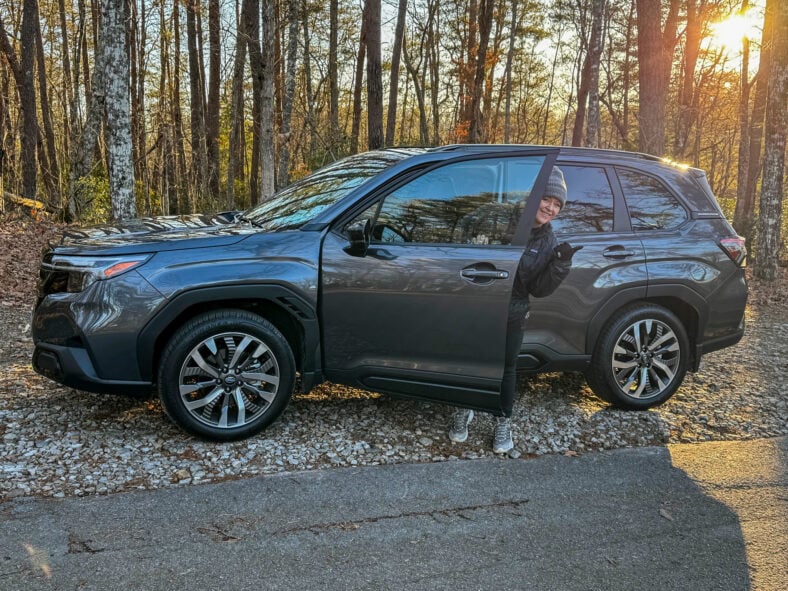
CVTs are the sprinters of the transmission world—smooth, steady and annoyingly good at conserving energy. CVTs are cheaper to build, great for fuel economy and common in hybrids and affordable cars. They keep the engine in its “sweet spot” for efficiency, which is why they’re used in the Toyota RAV4 Hybrid, Subaru Forester, Honda CR‑V and many others.
They’re not ideal for towing or performance, but for commuting and everyday errands, they’re perfect. If MPG is your priority, the CVT is the better buy. They also don’t require maintenance as often, though they can be expensive to replace should anything happen.
If mileage is the priority, a CVT is the better bet. It’s why they’re used in smaller cars and hybrids, because they can stay at the lowest RPMs without losing too much torque or needing to shift into a lower gear.
Buy The Right Engine for Your Life, Not the Cheapest or Fastest Option

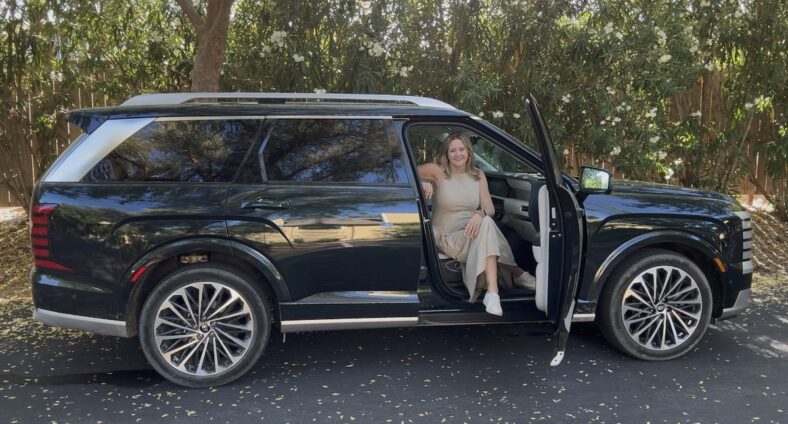
Choosing the right engine isn’t about bragging rights or chasing the highest horsepower number. It’s about matching the engine to your real life—your commute, your family size, your weekend plans and how much you haul.
Buy the engine that fits your life. Not the one that looks cheapest on the sticker. A four-cylinder may save at the pump, but you’ll wish you went with the V6 when your car is struggling to get the family to your annual camping spot. A V6 may be great, but if you don’t regularly have a car full of kids or gear, it may be way more than you need—and cost more to keep the tank full. You get the idea.
When the engine’s balance of power is right, the car feels effortless. When it’s wrong, you feel it every time you drive.

