
Help! I Can’t Make My Car Payment! Here’s How to Avoid Defaulting on a Car Loan
Don't let high car prices and interest rates get you down; with a little precaution you'll be just fine.

Last week’s news was sort of shocking: the price of the average new car is now more than $50,000. With that there’s another even more painful wrinkle: more drivers are struggling to make their car payments and are at risk of defaulting on a car loan.
If this feels familiar, we get you: both new and used car prices have seen record highs in recent years, and higher interest rates aren’t helping.
For many people, the pandemic reshaped how we drive; many of us still don’t want to use public transit, moved further from work or started a family and now, a car is a necessity.
If your car payment has you feeling as if you’re gasping for air, take a breath and read on. There are solutions to keep you in your car without jeopardizing everything else.
Read: Buy This Not That: The Best Used Cars That Are Just as Good As New
This story is 100% human-researched and written based on actual first-person knowledge, extensive experience, and expertise on the subject of cars and trucks.
Why Defaulting on a Car Loan is So Bad
Our cars can be our lifeline—to work, school, easy and inexpensive travel. Recognizing this, most people prioritize car payments and maintenance but even one missed or late payment can start the repossession process.
And that can start a domino effect of other things: loss of transportation to work, lost income and more. The best defense against defaulting on a car loan is to not let things get to that state. But if they do, here’s what you need to know.
Watch: How to spec a new car on a car maker’s site
Understand Your Credit and Fix Any Issues
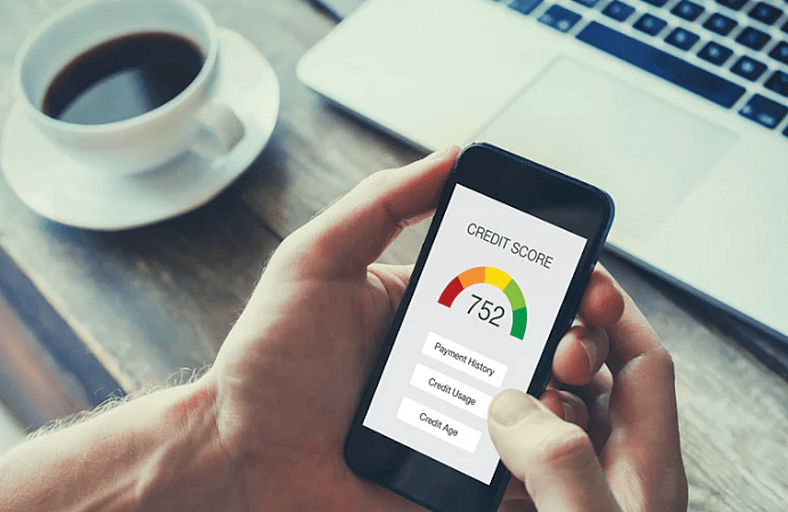
While we should always be aware of our credit score and proactive about keeping it as stellar as possible, that’s not always reality. If things are feeling financially tenuous, say, your department had a bad few quarters or your company is cutting everyone’s hours, make sure you won’t suffer a double injury by creditors denying you relief if you need it.
Take care of any outstanding claims on your credit; if a lender or landlord has reported you late in the past, call and ask them to remove the report. Paying down high-interest credit cards and cutting back on credit card use will help, too.
Read: Need New Car? Here’s the Car Buying Checklist You Need
If Your Financial Future Feels Insecure, Pay Off Your Car

Paying your car off early can have some nice benefits: no more car payments, no chance of repossession and ultimately, you’ll pay less interest so your car will cost you less. It’s incredibly comforting to know that when other things aren’t going your way that your car is an asset, not a liability.
To find out what you owe, call your lender and ask for the payoff amount. That, not the sum of the rest of your payments, is what it’ll cost to pay off the car.
Consolidate Your Debt
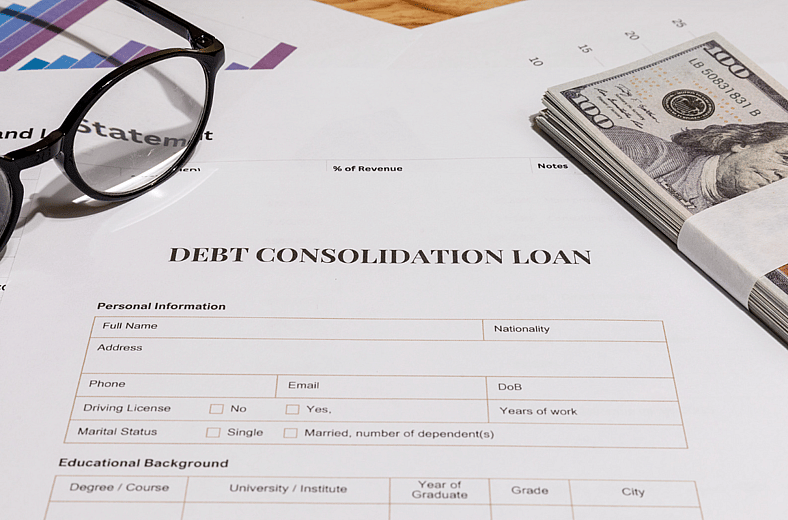
If paying off your car early isn’t possible with the cash you have on hand, consolidating your debt might be a solution. Banks, credit unions and other lenders often make loans that allow a customer to pay off a car, credit cards and other debts, rolling it all into a single loan with a lower interest rate. Often the lender will require an asset such as a home or a car to be named as collateral, or for someone with assets to co-sign for the loan. In the end you’ll reduce the number of payments you make each month and reduce the amount you pay.
Refinance Your Car
Because interest rates have been high the last few years many drivers are paying more interest on a loan than they might were they to buy the same car today. As long as you qualify for a loan and and can still afford the new payment, refinancing could work in your favor. But be careful: look at any upfront fees or costs for refinancing and make sure you’ll be financially healthier in the long run if you refinance.
Double Down on Payments and Pay Off Your Loan Faster
This is a good strategy for anyone who wants to pay off their car loan more quickly but it’s important to understand: You’re paying down the loan faster but not eliminating current payments.
Those extra payments go toward the principle, but you’ll still have a payment due each month. This can be a good strategy if you’d like to build equity in your car, want to reduce the amount of interest you’ll or just want to pay off your car sooner.
If You Think You’ll Miss a Payment, Call Your Lender

It’s possible to have a car payment or two deferred—essentially added on to the end of your loan—to give you a bit more time between payments. Some lenders may even consider renegotiating your loan if you owe less than the car is worth or interest rates have dropped since you first purchased it. Ask what your options are; most lenders want you to pay off the loan as it costs them money to chase down delinquent accounts.
Sell Your Car and Buy a Less Expensive One
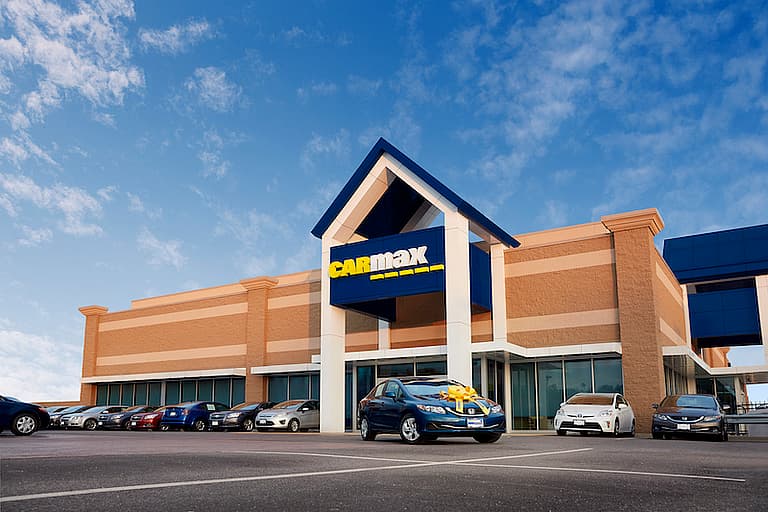
With used cars still in high demand, many car dealers are happy to trade your newer car for one that is older and often will even pay off your loan and roll the payoff amount into the price of the car they’re selling you.
There are caveats and gotchas to look out for—the interest rate on a loan, number of months of a new loan, the fair value of the car you’re selling, the fair value of the car you’re buying. But car dealers are all about moving cars and writing loans, so they’re usually happy to do this, especially at the start of the month when things are quiet. Just make sure that this sort of trade works in your favor.
If you buy a used car, be sure to do your due diligence: know the fair market value of the car you’re selling, the fair market value of the car you’re buying, read the CarFax thoroughly and have it inspected independently to ensure it’s in good shape. And shop your loan around; used cars can come with hefty interest rates but an independent lender or credit union might offer a better rate.
Lease a New Car
This option can give you a few years of relief from an expensive car payment; inexpensive lease options are frequently offered on less popular or less-optioned new cars. There are caveats, of course: know the upfront fees and be sure you can afford them; downpayment can usually be hefty and you don’t get that back at the end of the lease. Also consider how much you’ll actually pay over the life of the lease; is it really less than what you’ll make in payments over that same time?
Also understand what is due at the end of the lease; ensure the allowed mileage is sufficient to avoid overages at the end of the lease; and keep in mind that when the lease is up you don’t have an asset to trade—though you may be able to buy the leased car for a lower price, which will be stated in your lease contract. Read all the fine print—lease deals can be filled with lots of details that may make it not such a good option.
What Happens if Your Car is Repossessed
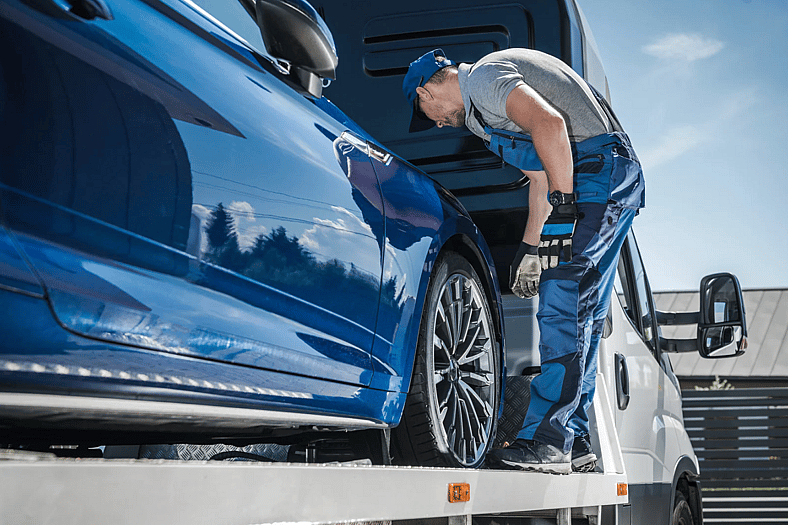
If there’s one thing that will keep you focused on keeping your car payment current, it’s the pain of repossession. Because cars can be easy to track down and tow away, some lenders will repossess a car once a payment is more than 30 days behind.
Laws differ from state to state, but you’ll likely owe fees for storage and towing, a fee to reinstate your loan, a fee to recover your car and more. Repossession tactics can be quite creative.
If your car is repossessed and auctioned off and it sells for more than you owed, you are probably due the balance, but again, fees can likely eat up any overage. If it sells for less than you owed you are on the hook for the difference plus—you guessed it—the fees incurred by the repossession. And either way, it’ll hurt your credit score.
Repossession, losing your car and all the dominoes that go with it are pretty horrible and worth not the risk. So stay proactive, research your options and stay ahead of things. And then go have pizza and relax knowing that you got this.

More About:Car Buying