
You Want a Hybrid, But Not a Toyota? The Best Hybrid Cars And SUVs to Consider Instead
If you want something efficient and reliable without spending what you would on a Toyota hybrid, here’s our list of tested cars and SUVs we’d recommend instead.

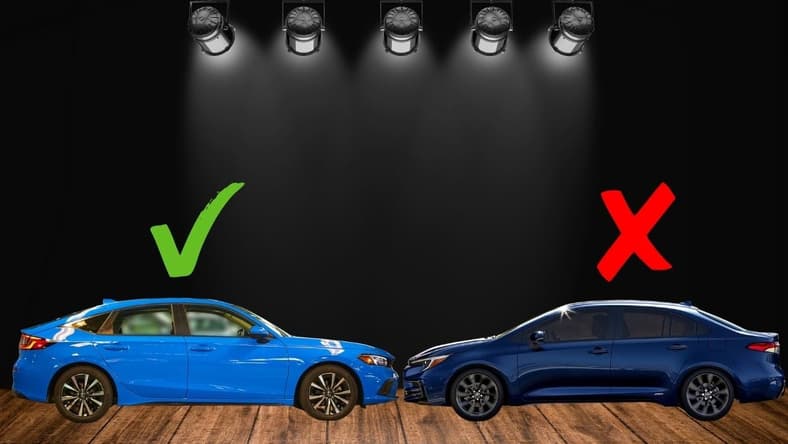
Don’t get us wrong—you won’t find a reviewer here who wouldn’t recommend a Toyota hybrid. However, like shoes, everyone has different tastes and budgets, so a Toyota hybrid—which can be among the most expensive on the market—may not be for everyone. Just because everyone you know is wearing Nikes doesn’t mean you want a pair. And, like good running shoes, there are several different options to pick from if you want to choose among the best hybrid cars and SUVs on the market.
Thankfully for you, we’ve tested them all. Here’s a list of every Toyota hybrid and what we’d recommend as a solid alternative.
This story is 100% human-researched and written based on actual first-person knowledge, extensive experience, and expertise on the subject of cars and trucks.
Toyota Corolla Hybrid Alt? The Honda Civic Hybrid Is One of the Best Hybrid Cars on the Road
The Toyota Corolla Hybrid is a darling compact sedan hybrid that’s known for getting between 47-50 mpg, and it’s affordable, with a starting price of $23,125. It’s the least expensive hybrid that Toyota offers, making it a great choice for first-time car buyers (Toyota actually has a discount for college students), commuters, or those looking to get the most bang for their buck.
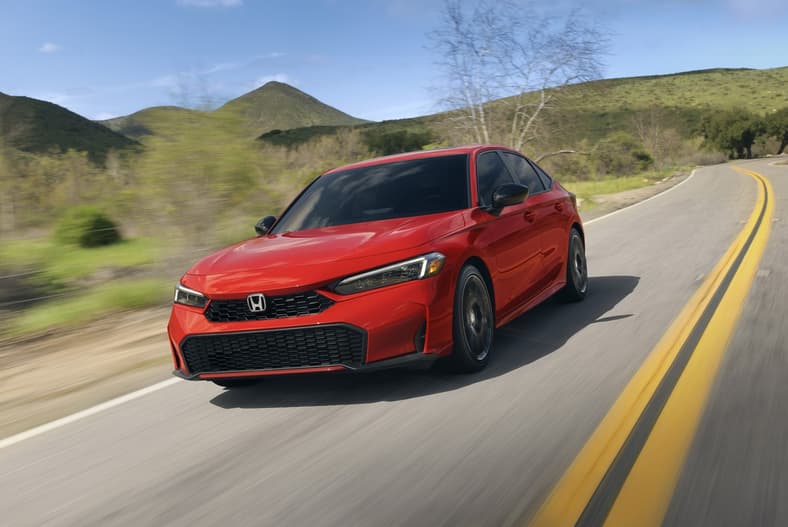
However, the interior can feel like a car that costs $23,125, and it’s quite small. The engine only produces 138 horsepower, so it won’t get you anywhere quickly, and there isn’t much cargo space to write home about. If that’s a dealbreaker for you, then we wholeheartedly recommend the hybridized Honda Civic instead. The exterior styling is much nicer (in my opinion), you can get it in a hatchback version, the interior is much nicer, and there’s more cargo space.
It is more expensive, though, with a starting price of $28,950, but it’s also rated at 50 mpg, it produces 200 horsepower, so there’s more pep in its step, and it comes from an equally reputable company known for reliability and safety. You certainly get what you pay for here.
If You’re Not Interested in the Toyota Camry, We Suggest the Honda Accord Hybrid

I know, I know—another Toyota-for-Honda swap. But it’s for a good reason. The Camry hybrid is a staple for Toyota, and that’s for a good reason. It’s affordable, with a starting price of $29,300, remarkably efficient, earning up to 51 mpg in combined driving scenarios, and it’s a bit larger, so the whole family can fit. And it can come in that gorgeous ocean blue color. There are sporty trims to up curb appeal (by a lot), and it can come with all-wheel drive if you want it.
But if the Camry’s looks don’t rustle your Jimmies, we love the Honda Accord hybrid as a worthy alternative. Like the Camry, it’s a full-sized sedan that can fit the family, and if you go with EX-L trim, you can also get 51 mpg combined with a larger trunk and more passenger space, too. Plus, we preferred the ride, more premium-feeling interior in the higher trims, and the multimedia setup in the Honda.
It does cost more, though, with a starting price of $33,795, but we’re applying the same argument for the Civic over the Corolla: you get what you pay for. The Honda has more power, Google built in, and like I said, more cargo space and passenger space. There are also sportier and more luxurious trims if you’d like, too.
Nothing Can Beat the Prius, But the Hyundai Elantra and Kia Niro Hybrid Come Real Close
The Prius is the champion commuter and the master of mileage. It’s tough to beat for the price, with a starting range of about $28,550 and a maximum price of $40,100 for the Limited PHEV model. The base model with FWD is rated to get up to 57 mpg, and even with all-wheel drive, it’s rated for 46 mpg. That’s an incredibly tough argument to win.
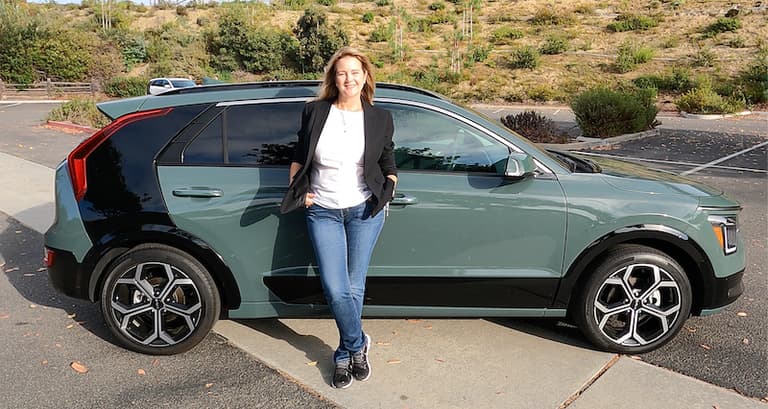
However, if you can’t get past the door-stop look or the visibility issues I encountered, the Hyundai Elantra hybrid nips at the Prius’ heels. First, it has a lower starting price of $26,450, and it’s also known for achieving a combined mileage figure of around 54 mpg in the base Blue trim. It’s not as much as 57 mpg, sure, but it comes a lot closer than the Honda Civic hybrid. Another competitor, the Kia Niro hybrid, also comes close with a combined figure of up to 54 mpg on the highway, but it has a higher starting price than the Elantra (but still lower than the Prius) of $27,390.
The Hyundai also has a nicer interior, sporty chic exterior styling, a larger (and more usable trunk), and a better factory warranty, if that means anything. Hyundai covers the power and drivetrain for 10 years or 100,000 miles, whichever comes first. Toyota can’t say the same.
If You Want Something Similar to a Toyota Hybrid Crown, Check Out Lexus’s ES 300h

Here me out on this one—the Toyota Crown is a bit of an oddball. It was brought back to the US after more than 50 years to replace the Avalon, and while the dimensions of the trunk space, rear and front passenger space, as well as the length match the Camry nearly identically, it’s no Camry. All-wheel drive is standard; it comes from the factory with a lot more horsepower, and even though the interior layout is only slightly different from the Camry, the mission is different. It’s meant to be a sporty, yet luxurious hybrid that can fit the family.
Nothing else really competes with the Crown, except for its industry sibling, the Lexus ES 300h. If you didn’t already know, Lexus is the luxury division of Toyota Motor Company, so it comes with a lot of the same features, just in a much more premium and luxurious package. It even has a similar starting price of $44,500 (compared to the Crown’s starting MSRP of $41,440), better sound-dampening technology, a recently revamped and gorgeous interior, and Toyota’s legendary reliability. If you get the 500e version of the Lexus, you can get 343 horsepower, which is more than the Crown’s Hybrid Max setup, too.
There are Quite a Few Options if You Don’t Want a Corolla Cross Hybrid
We adored the Corolla Cross Hybrid, mainly because of how much you get for the price. Even at the top of the line with the XSE model, you get close to 40 mpg with all-wheel drive and a comfortable ride for around $38,000 (if you upgrade to the JBL sound system, opt for a sunroof, parking assist features, and a power lift gate; otherwise, it’s just over $36,000). It makes an SUV capable of hauling the family so much more attainable. However, for a lot of people, an SUV of that price range can feel cheap. So, you have a few options to choose from.
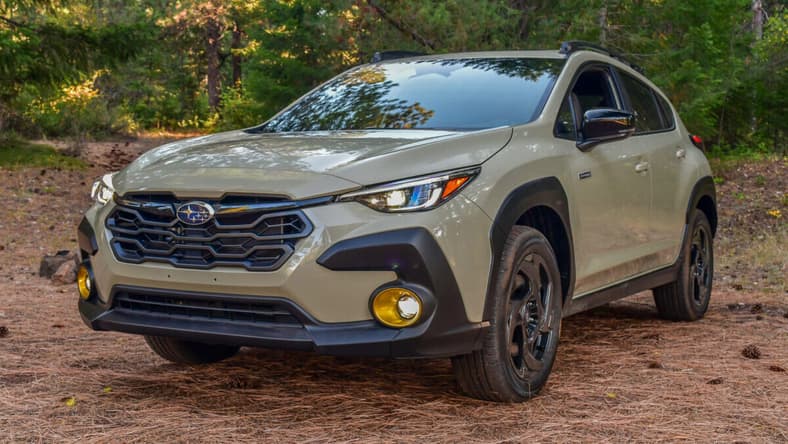
The closest in size, offerings, and price is the Subaru Crosstrek Hybrid. The Subie only has two hybrid trims while the Toyota has three, and the Subaru starts at $33,995. The Toyota starts at $29,395, so it’s a price difference of about $5,000, but the Subaru gives you a lot more. Like a nicer, fancier interior, a much larger, nicer multimedia screen, standard mechanical all-wheel drive, and noticeably less interior noise as speeds increase. The Subaru offers similar mileage, with a combined figure of about 36 mpg, which is a good chunk less than the 45 mpg the Corolla Cross can get. Although you do get more trunk space in the Crosstrek, at the cost of rear passenger space, while it’s the opposite in the Toyota.
Then there’s the Kia Seltos route. The Kia Seltos is similar in size but much more cost-effective, with a starting price of $23,790 for the base model, and like the Toyota, it is known for getting up to 46 mpg depending on the trim. You do get less horsepower, though, if that matters to you—but in trade, you get more trunk space and more passenger space. And, if you’re a snob about interiors, the Kia’s interior was much, much nicer.
The Hyundai Kona hybrid is here to shake things up, too. It has a lower starting price of about $27,100, which is lower than the Toyota, but it doesn’t get better mpgs than the Corolla Cross, with a maximum rating of about 32 mpg. It does, though, come with a much nicer and more spacious interior (almost anything has a better interior than the Corolla Cross, let’s be honest), and more futuristic, adventurous exterior styling. It also comes with more rear passenger space and trunk space, if you need to pack the kids into it, too.
We’d Recommend the Subaru Forester Hybrid or Honda CR-V Hybrid Over the RAV4 Hybrid

Our feelings about the RAV4 hybrid are very similar to how we feel about the Prius: it puts up a fight that feels impossible to win. But we also know that the RAV4’s redesign and pricing change may not be for everyone, so if you want a similarly sized hybrid SUV for a similarly attainable price, we recommend either the Honda CR-V hybrid or Subaru’s Forester hybrid. The Toyota, to start, has a starting price of about $31,900 and maxes out at $43,300 for the Limited. The Subaru, then, starts higher at the base at $34,730 and has a maximum price of $41,545 for the Touring hybrid.
Unsurprisingly, you can get up to 47 mpg depending on the trim you get for the Toyota, while, no matter the trim level, the Subaru is rated for 35 mpg combined, thanks to a fully mechanical all-wheel drive system over Toyota’s electronic AWD setup. For the extra bit of money, though, you do get more trunk space, more passenger space in the front and rear, and much better visibility. I preferred the interior of the Forester over the RAV4, too, if you’re picky about that like I am.
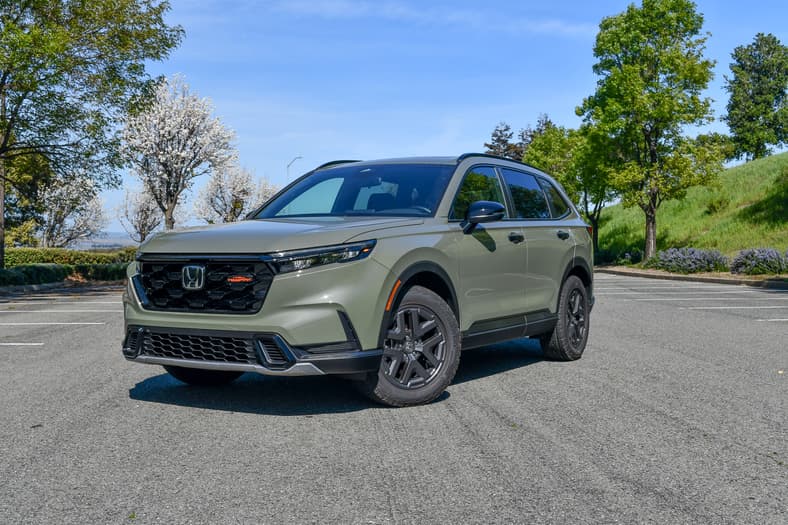
Then there’s the cutesy, approachable CR-V hybrid. Funnily enough, the CR-V hybrid is more expensive, with a starting cost of $35,630, and a higher maximum price of $42,550 for the Sport Touring hybrid, but, like the Subaru, you get more passenger and rear cargo space with the Honda. The CR-V also has an advantage when it comes to mileage, because it can get up to 43 mpg in the city and 40 combined if you go with front-wheel drive. I really liked the ride in the Honda over the Toyota, and the visibility was a lot better.
As a bonus, we also like the Hyundai Tucson hybrid as a competitor to the RAV4. It has a slightly higher entry cost of $32,450, but you get up to 38 mpg across the board, a very posh and tech-forward interior, more cargo and passenger space, and more fun styling. Plus, like the other Hyundai we mentioned, it has the industry’s best warranty, too. We preferred the acceleration in the Hyundai over the Toyota, too.
Hear Me Out on This One: Check Out the Hyundai Santa Fe Hybrid Instead of the Crown Signia
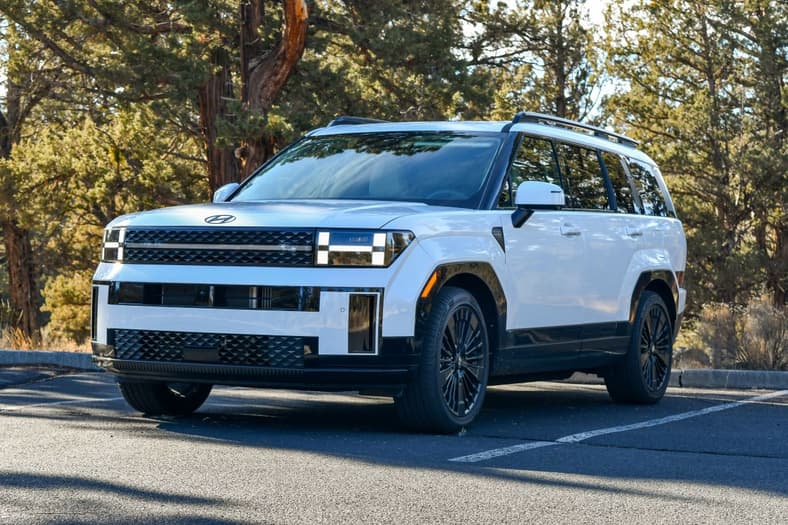
A lot of people recommend the Subaru Outback over the Crown Signia because of the wagon-ish styling and the size. But the Outback isn’t a hybrid, so we’re not doing that. Instead, we’re stacking the Hyundai Santa Fe up against the Toyota Crown Signia for similar reasons it’s compared to the Outback. The Santa Fe, though, is actually a hybrid. The Crown Signia, like the sedan it’s based on, isn’t cheap. It starts at about $44,490 and maxes out at $48,890 for the Limited trim. The Santa Fe hybrid, on the other hand, starts at $36,400 and hits the ceiling at $48,700.
They’re similar in shape and size, but the Hyundai is a 3-row SUV while the Crown Signia is a premium five-seater “crossover-wagon,” so you don’t get as much cargo or passenger space when you go with Toyota. The Toyota, though, has more horsepower with a rating of 240 hp from a 2.5-liter turbo-four engine compared to the Hyundai’s rating of 231 horsepower from a smaller 1.6-liter turbo-four configuration. The Toyota is more efficient, with a rating of 38 mpg combined, while the Hyundai is rated for 37 mpg. Plus, does the Crown Signia have 37 H’s for the kiddos to find? I don’t think so.
There Are SUVs From Kia That We’d Recommend If You’re Not Hip to the Highlander Hybrid
The Toyota Highlander is a long-running success story for the company. It was the first SUV the automaker ever sold in the United States, and it was the first hybrid SUV from Toyota. Ask Scotty Reiss about how much she loved hers. For 2027 moving forward, though, Toyota is killing the Highlander hybrid (RIP) and replacing it with an all-electric model. So, now’s your last chance to grab a hybrid model from the 2026 model year. If you weren’t hip to the Highlander’s hype, though, you have a few options.
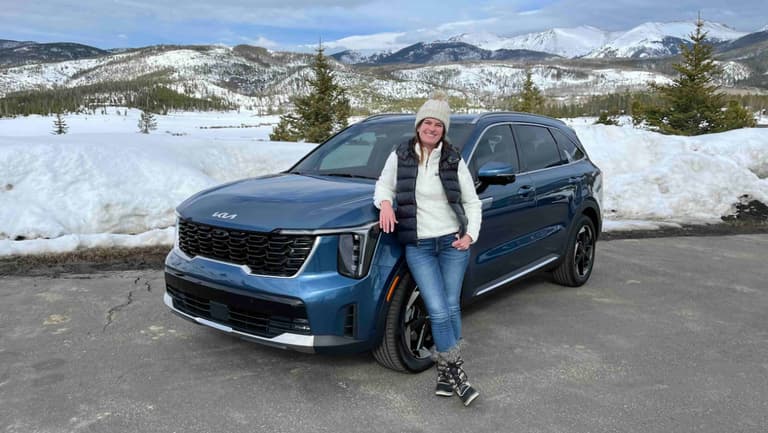
Kia makes two hybrid SUVs we adored: the Sorento Hybrid, and now, the 2027 Telluride is finally getting a hybrid powertrain. The Sorento hybrid is sadly underestimated because it’s not as popular as it should be. It’s affordable, ranging from $38,890 to $47,190, while the Highlander starts at $47,620 and goes up to $55,275. The Telluride is closer in price to the Highlander, with a starting price of $46,490, and tops out at $57,590 for the X-Line SX Prestige. Both of Kia’s hybrid 3-row SUVs get well over 30 mpg combined, with the Telluride getting up to 36 mpg at the base model. The Highlander is rated for 35 mpg. The Telluride, though, has a usable third row (like the Sorento), a nicer, more tech-forward interior, and energetic, fun exterior styling.
Both of Kia’s 3-row darlings offer more cargo space, more rear passenger space, and more fun interior color options, if that’s important to you. We adore the Kia Sorento’s rich brown leather look, as it makes it feel so much more expensive. You can’t go wrong with Toyota’s hybridized engines, but the two Kias put up a very fair fight as far as bang for your buck is concerned.
The Hyundai Palisade Hybrid is a Powerful Alternative to the Grand Highlander Hybrid
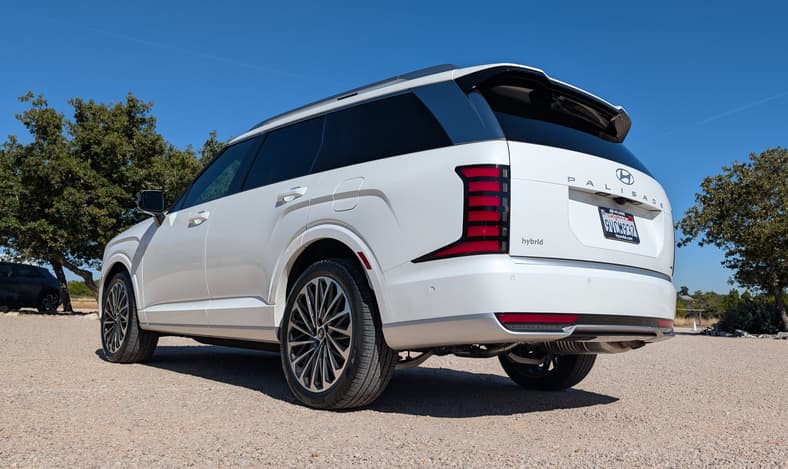
We get it. The Toyota Grand Highlander hybrid is a great option for those who absolutely cannot settle for a minivan. Like all other hybrids the company offers, it’s efficient even with all-wheel drive, there’s enough cargo space for the whole family, the ride is insanely smooth, and the third row is comfortable enough for adults. If you want more power, you can spend a little more to get the Hybrid Max setup. But if you’re not drawn in by Grand Highlander’s looks, we’d like to draw your attention to the Hyundai Palisade hybrid.
The Toyota Grand Highlander hybrid starts at $45,210 and goes up to $53,690 for the Nightshade trim. The Hybrid Max version, which adds a significant amount of horsepower without eating into mileage by too much, ranges from $55,690 to $59,775. The Hyundai Palisade hybrid, on the other hand, starts a bit higher at $47,520 and tops out at $56,780. The one advantage to the Hyundai, though, is even at the base level trim, you get more horsepower than the standard Grand Highlander (329 hp compared to 245 hp), it comes with a torquey V6 if you want a gas-only option while the Toyota comes with a 2.4-liter turbo four sans hybrid system, and we adored the interior of the Hyundai over the Toyota.
We’d also like to mention the new Kia Telluride hybrid as an option, too. It’s about the same size as the Palisade, with a similar hybrid configuration, similar prices, and lots of room for the kiddos and fur babies with a modern, sharp look.
If You Want a Torque-Forward Hybrid Off-Roader like the 4Runner or Land Cruiser i-FORCEMAX, Look to a Used Jeep

In case you’re not savvy to some of the recent moves Stellantis has made for their hybrids, Jeep has discontinued the 4xe (plug-in hybrid system) for the Jeep Wrangler, Grand Cherokee, and Gladiator for the foreseeable future. The Jeep Wrangler 4xe was, for many years, America’s best-selling hybrid, despite getting marginally better mileage than the gas-only version. The privy buyers knew the small battery meant more torque off-road, a better towing capacity, and an overall higher range for driving—not necessarily for better mileage.
So, you can see some parallels between how that hybrid system worked and how Toyota’s new hybrid system for the 4Runner, Sequoia, Tundra, and Tacoma works. The company said the focus for that system is instant torque where you need it more, like off-roading and towing, similar to the Jeep’s setup. You can find a used, low-mileage 2021-2023 Jeep Wrangler 4xe priced between $27,500 and $36,500 compared to the 4Runner hybrid’s range of $53,690 and $68,200. If you’re looking into the Grand Cherokee 4xe, those range between $30,500 to $32,000 for 2022-2024 models.
Similar to the Toyota, both Jeep models achieved a combined mileage figure of about 25 mpg, marginally better than Toyota’s average of 23 mpg. So, there’s that.
If You Don’t Want a Toyota Sienna, Check Out the Kia Carnival Hybrid

There’s very little we love more than a fully-loaded Sienna. Everyone’s comfortable, and anyone with mobility needs loves its versatile and mostly modular interior. But, understandably, it’s not for everyone, since it’s the most expensive minivan you can buy at the top of the line. Therefore, the least expensive minivan, the Kia Carnival, has a very potent hybrid system, more family-focused features, and a spacious, open interior for less. The Sienna has been hybrid-only since 2021, so whether you’re spending $40,420 for the FWD base model or $57,810 for the Platinum model, you’re getting the same, dependable, efficient (up to 36 mpg combined even with optional AWD) hybrid system. But at a pretty hefty cost.
Then the Kia Carnival steps up to the plate. Sure, its maximum mpg rating is 32 mpg and it doesn’t come with all-wheel drive, but the price range is better, especially for the higher trims: $41,390 to $53,490. As a parent, my favorite feature was the Passenger View feature, which the Sienna doesn’t come with, even as an option. With the press of a button, a camera feed showing the second and third row came onto the large, 12.3-inch screen. It was a high-resolution feed, too, so I could always see my two toddlers, even at nighttime, as it turned into an infrared camera at night. When I tested it, my youngest was in a rear-facing seat and my oldest was front-facing, and I could see both of their little faces as clear as day. The camera system didn’t cost extra; it wasn’t part of a fancy package; it was included in the price.
I loved the outward visibility; I didn’t have to pay $1,200 for a technology package for parking assist features, or a larger screen, it was all-included. It was smooth driving, I loved the SUV-inspired looks and fun colors, as well as the removable seats to make more cargo space if needed. There was very little I disliked about the Kia Carnival.
Trust Us—We Won’t Blame You for Going With Toyota, or An Alternative
Believe me when I say there’s absolutely no shame in sticking with a Toyota hybrid. We’ve loved every one we’ve driven. But, there’s more out there to look at than the RAV4, Prius, or Corolla Cross hybrid. Nowadays, there’s a lot to choose from, and there’s not much worse than paying for a car that doesn’t make you smile or meet your needs.

More About:Car Buying