


Cross-country road trips are standard fare for many families across the country. Grandparents, siblings, and cousins sometimes live far away and we spend our vacation time visiting them. At times—during the often-nightmarish holiday season, for one—air travel is more trouble than it’s worth. At those times, hitting the road is the way to go.
When you’re road-tripping with even one other person, you have built-in company to sing along with car karaoke, watch for road signs, and take turns driving. Taking a road trip alone may seem daunting, or even scary, but it doesn’t have to be.
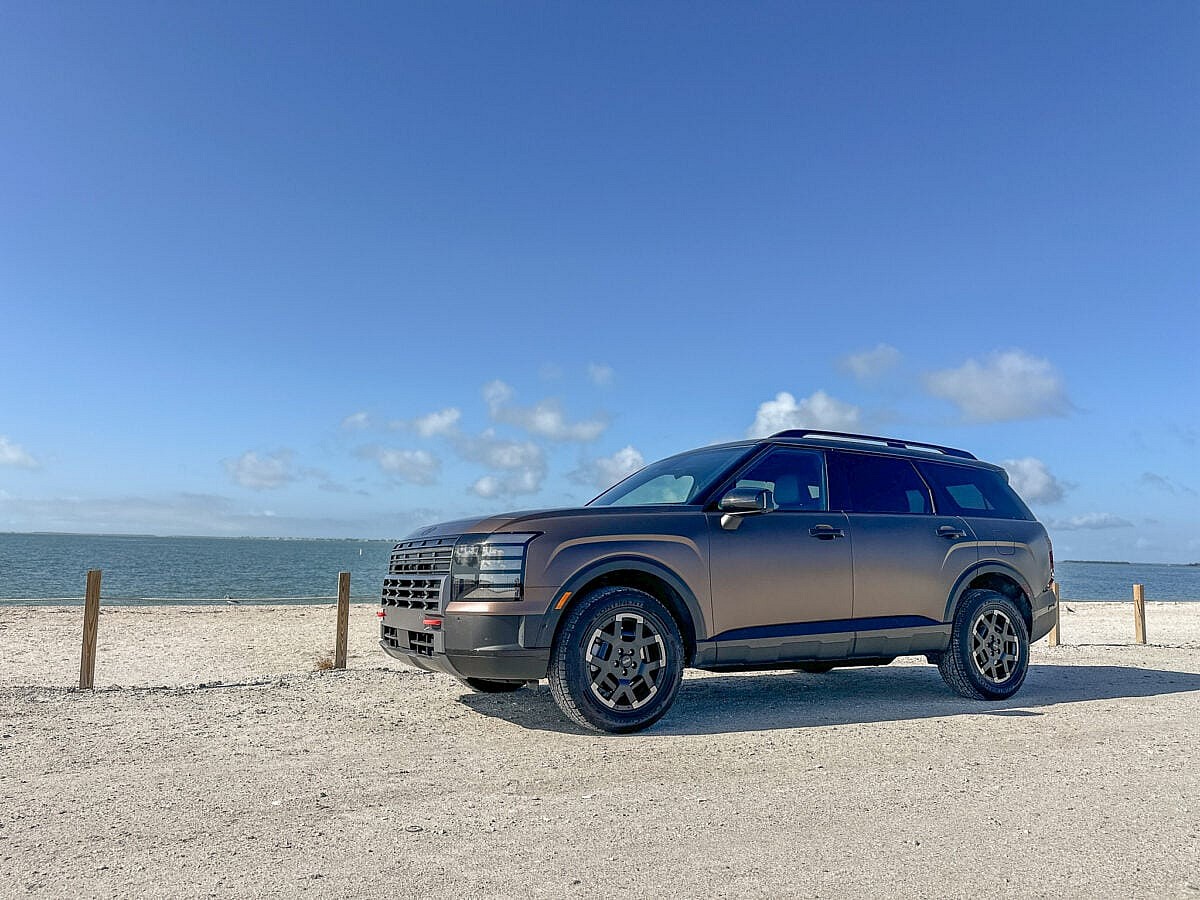
This past Christmas, my family and I drove a brand-new Hyundai Palisade XRT Pro from Austin, Texas, to Fort Myers, Florida, to see my parents, sister, and nieces. I sent my husband and son home on a Delta flight so they could be back in time for school to start, while I stayed a little longer. The Palisade was all mine for the 18-hour drive back to Texas, and I looked forward to it. After all, I figured, I could always stop and take a break.
Here are a few tips I picked up along the way to help you get ready for a peaceful solo adventure.
This story is 100% human-researched and written based on actual first-person knowledge, extensive experience, and expertise on the subject of cars and trucks.
1. Keep Distractions to a Minimum


The Palisade has Apple CarPlay and Android Auto, making it easy and safe for me to take calls. Talking to friends and family along the route is a great way to pass the time, as long as you’re in a situation to stay focused. If the traffic is heavy, with people passing frequently, or if inclement weather is making the roads a little more challenging, get off the phone and call back when it’s calmer.
Also, I appreciated Hyundai’s voice functions, which read my texts out loud and prompted me to respond if I wanted to. Nobody needs to look at their phone at 65 miles per hour, so voice-to-text is key.
2. Set Your Course, and Understand Your Route
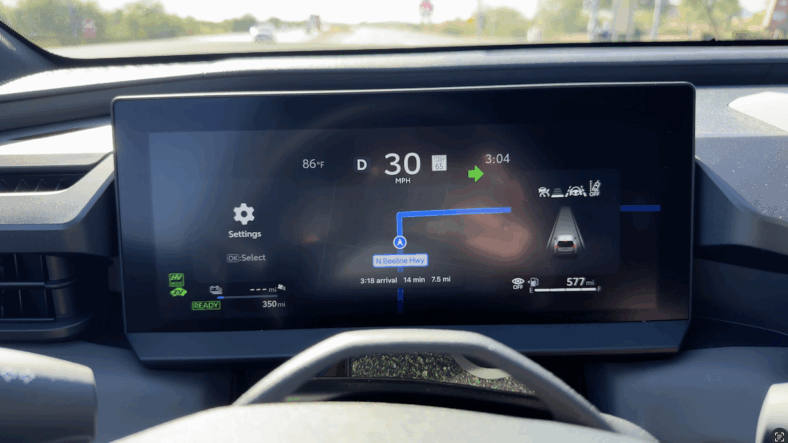
Whether you’re using the car’s native navigation technology, Apple Maps, Google Maps, or Waze, it’s important to set up the directions before you even put on your seat belt. Even if you know where you’re going, it’s great to have a map to remind you when to turn.
Especially when you start getting tired.
3. Take Breaks—They’re Good for You


Speaking of getting tired on the road, it’s important to recognize when you’re not as alert as you should be. Driving while tired is more dangerous than you might realize. Research from the AAA Foundation for Traffic Safety found “drivers who only get 4-5 hours of sleep can more than quadruple their crash risk compared to those who get at least 7, which is the same risk associated with driving over the legal limit for alcohol.”
In essence, driving while drowsy is like driving under the influence. Every few hours, pulling off to take a bathroom or coffee break is a terrific idea and it gets your blood moving again. Even if you’re stretching your legs for a bit, it helps tremendously.
If you’re in a big parking lot, like the ones at Buc-ee’s gas station chain locations, step out of the car and do 10 jumping jacks and shake out your arms. Don’t feel silly; it’s highly unlikely you’ll ever see any of these fellow humans ever again in your life. Besides, you’re being a responsible driver and protecting others.
Even if you don’t feel like stopping, but you’re clearly dragging, take the time you need. It’s worthwhile.
4. Protect Yourself by Being Choosy About Where You Stop

I’m generally not a coffee drinker, but I love chai lattes and Starbucks makes a consistently good version (my secret custom beverage is a grande chai latte with oat milk, 2 pumps of chai instead of 4, and raspberry protein foam topping). Anyway, I’m telling you this because Starbucks is absolutely the best place to stop when you’re on the road. The bathrooms are nearly always immaculate.
Twice on my first leg of driving—an 11-hour day—I stopped at rest areas. These oases for weary travelers who need to pee are great for easy-on, easy-off stops. However, it’s important to know that not all public rest areas are created equal. When you’re a woman traveling alone, tune in to your Spidey senses and keep moving if the rest area traffic is sparse. Better to be at a busy rest area than at a quiet one, where a sketchy character might be looking for prey. That sounds extreme, but I’m a big believer in better safe than sorry.
If you’ve never read the book The Gift of Fear by security expert Gavin de Becker, do yourself a favor and get it and commit it to memory. It’s all about trusting your gut and intuition to keep you safe in the real world. I gave a copy to my nieces, and discussing it has changed the way all of us think.
5. Pack Good, Quality Snacks

I’m not here to judge your snacks, whether you prefer carrot sticks or Twinkies or Mounds bars. Different times call for different snack items. Know your own body and how it reacts to sugars, carbs, and proteins so you can effectively keep up your energy without a crash. For instance, I have a weird thing for watermelon Sour Patch candy and I love sweets.
If I eat too much sugary stuff, though, I’ll be sleepy in no time. For me, it’s better to have Skinny Pop popcorn, shelled sunflower seeds, and Made Good granola bars ready for when I get snacky. Once I stop for the night, I’ve earned something sweeter.
6. Make Sure Your Car, Truck, or SUV is Road Trip Worthy

The Hyundai Palisade is an A+ road trip SUV for several reasons. One, the seats are supportive and comfortable, but not so cushiony that I sink into them like a couch. The seat heating function works quickly without overdoing it, and ventilated seats kept me cool once I reached Texas.
Small storage spaces were just right for me, as my Yeti water bottle fit in the center cupholders and I nestled my snacks in the center console. I had tons of cargo space—86.7 cubic feet—to store my luggage plus Christmas gifts, plus the luggage and baseball gear my husband and son left with me.
The Palisade’s cruise control function was one of the easiest I’ve ever used. Click once, and you’re cruising along the highways with ease. The driver-assisted technologies aren’t intrusive or try to take over for you, either. According to the EPA, the gas-only Palisade gets 20 mpg combined, and I found that was pretty accurate. If you’re looking for something even better, the Palisade is now available as a hybrid with an EPA-estimated 34 mpg combined.
So there you have it: a roadmap to a successful solo road trip. Pick a few podcasts or an audiobook and settle in. The miles will fly by.

