
Car Safety Gender Gap? The Lack of Female Crash Test Dummies Means Women Are More Likely to Be Injured
Woman have a much higher risk of suffering severe injuries or losing their lives in car accidents due to a lack of accurate safety testing for the female body.


The old chestnut is to make fun of moms driving minivans, but the sad and scary truth is … those minivans are not made for female drivers. In fact, cars are not built with women’s safety in mind. General safety, yes, but specifically the safety of women comes down to a lack of female crash test dummies for safety testing. The issue raises a lot of questions.
Women account for 51% of drivers, and moms are typically the ones driving the little ones to school, practice and more with the mission of keeping them safe on the way.
According to a recent story in the New York Times, women are 73% more likely to be injured in car crashes than men and 17% more likely to die due to safety designs that don’t consider the different anatomy and muscle density of women. Female crash test dummies would solve this, so why aren’t they used in crash testing?
This story is 100% human-researched and written based on actual first-person knowledge, extensive experience, and expertise on the subject of cars and trucks.
Oddly Enough, Male Bodies Dominate Safety Results
As we’ve known, cars were first designed by men, for men. But for decades, drivers were blamed for deaths. Not the actual cars. Companies didn’t care how human bodies behaved in collisions until the National Highway Traffic Safety Administration was born in 1970 to regulate car safety. But unsurprisingly, it focused on the safety of men.
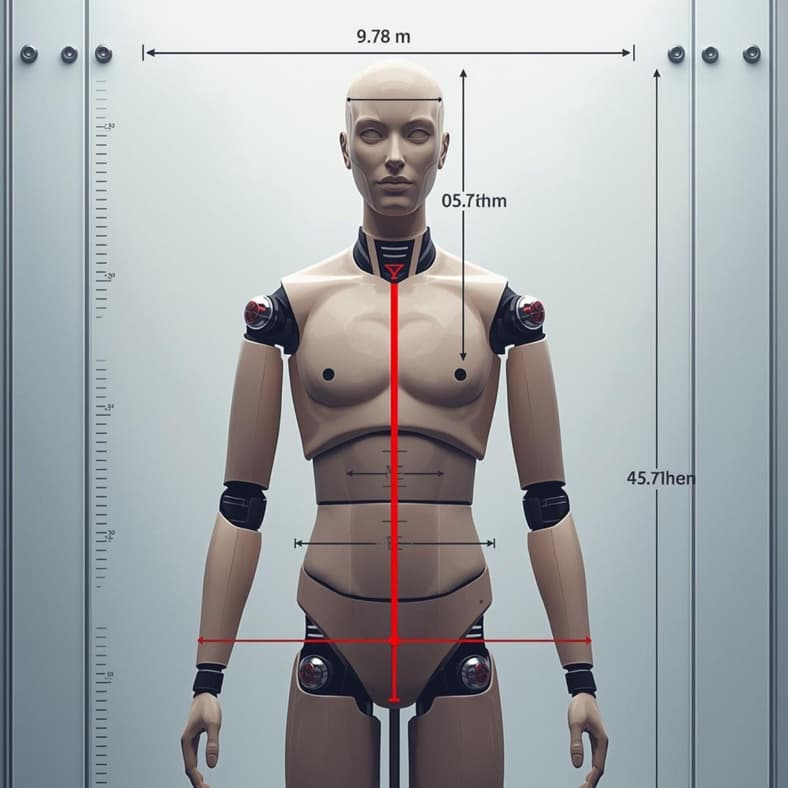
This is when modern safety testing first came to light, with crash dummies using the average height, weight, and stature of men. They were 5’9” and 170 lbs., leaving women without any crash dummy representation despite accounting for just over half of the drivers on the road.
Researchers have been calling for crash dummies to represent women in car safety since the 1980s, but all women got were marketing features like shades of pink paint and matching purses. None of which helps save our lives.
Finally, a Female Crash Dummy, But She Was Flawed
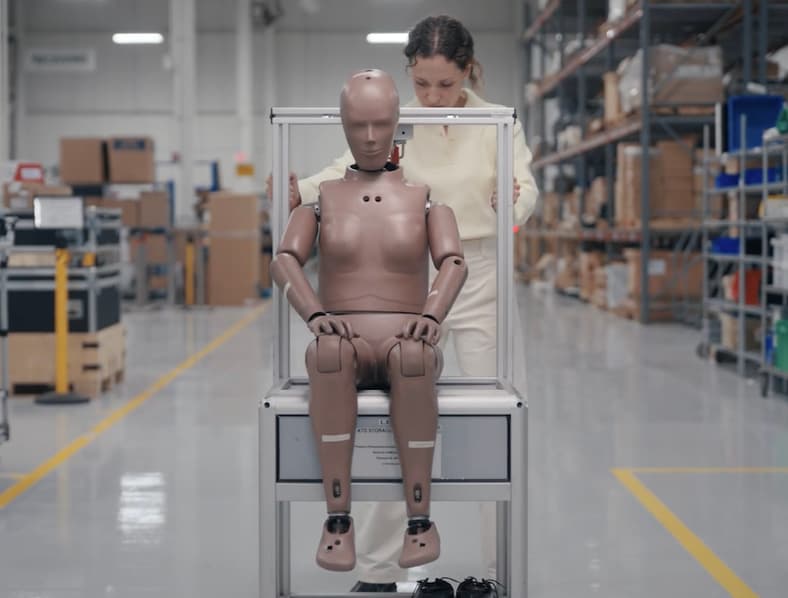
Jump ahead 30 years, to when the NHTSA finally provided a female crash test dummy. But don’t get too excited, she was only 4’11” and 108 lbs. and could double for a teenaged boy. If you’ve met a tween boy and his mom, you know, they are not the same. For the record, an average American woman is 5’ 3 1/2” and weighs about 170 pounds. The female dummy better represents the 5th percentile of women.
Joseph Young of the Insurance Institute of Highway Safety explains, “The 5th percentile female dummy is designed to represent the smallest portion of the adult population, which does crossover with the population of 12-year-old children in terms of height and weight. The dummy isn’t ‘inaccurate,’ just designed to be small. This dummy can be used in crash testing scenarios where small occupants are most vulnerable.”
At least the chest includes breasts to make women feel included in car safety studies. This and a slightly different pelvic design are the only things that keep the dummy from simply existing as an exact version of the male crash dummy, but in a smaller size.
Women and Men are Not Built the Same—In Case You Were Wondering
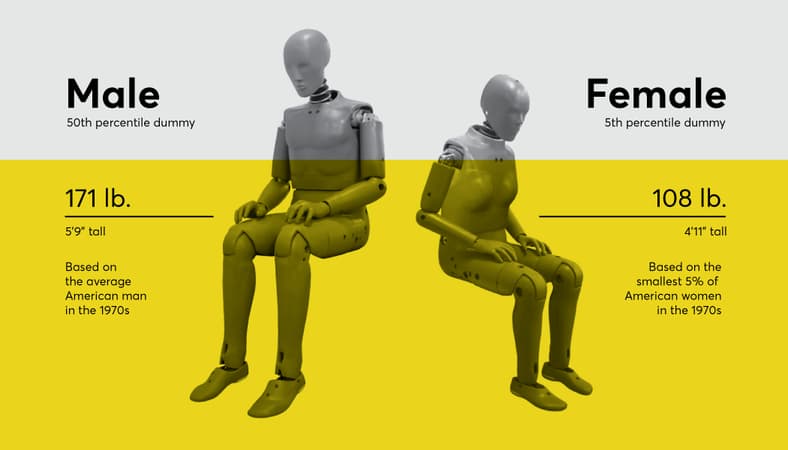
The Hybrid III dummy is based on a male, but it’s used as a woman in some instances. It weighs less than a man while having the average height of a man. The Hybrid III is used to best represent the effectiveness of seatbelts and airbags for typical members of both sexes.
The difference between bodies matters as women have less muscle mass in the upper torso, making our necks, shoulders, and heads more susceptible to injuries. Also, the difference in spinal contrasts contributes to greater risks. The difference between male and female pelvic regions also puts a woman’s lower body at a higher risk.
Why Are Women More Likely to Be Injured in Car Crashes?
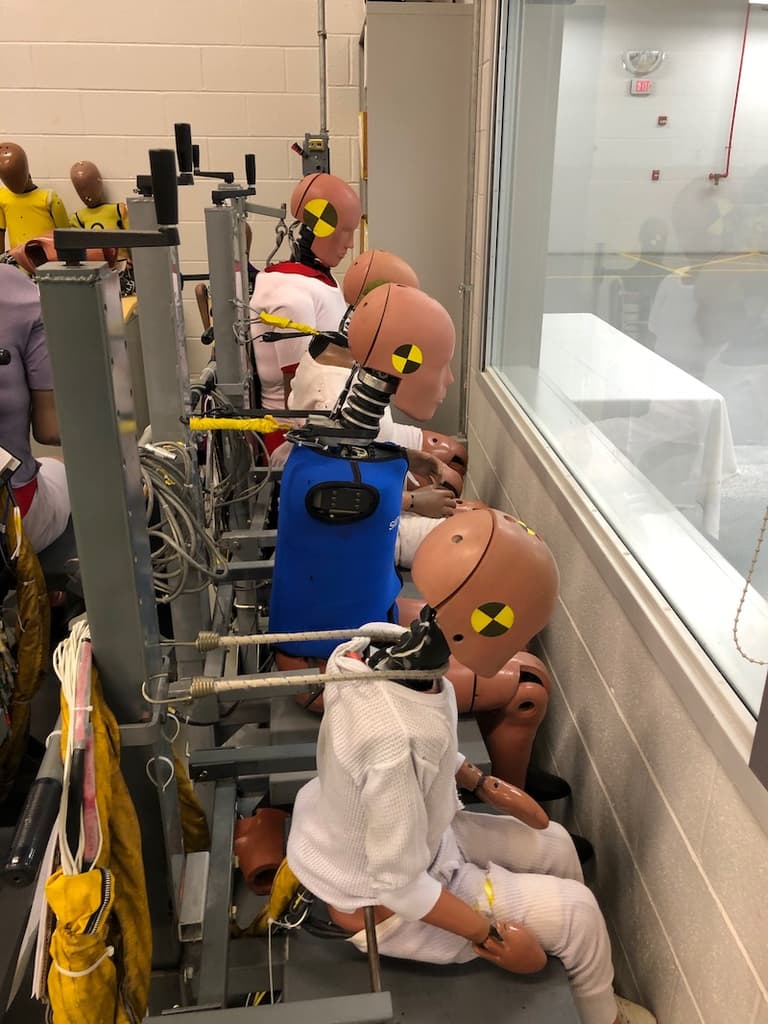
Existing car safety studies show that women are more likely to be injured in wrecks due to their driving positions. Due to being shorter than men, we ladies sit closer to the steering wheel and pedals than men do.
This puts women closer to the airbag during deployment and increases the risk of hitting the dashboard. The size and seating position also make women more vulnerable to suffering limb injuries, primarily in the lower leg region.
On top of that, seat belts don’t fit the average female form properly. They’re designed for a male physique. This, combined with having less muscle mass, creates the perfect combination for an increased risk of organ and upper torso damage, such as broken ribs.
Why Doesn’t the Government Have a Modern Female Crash Dummy?
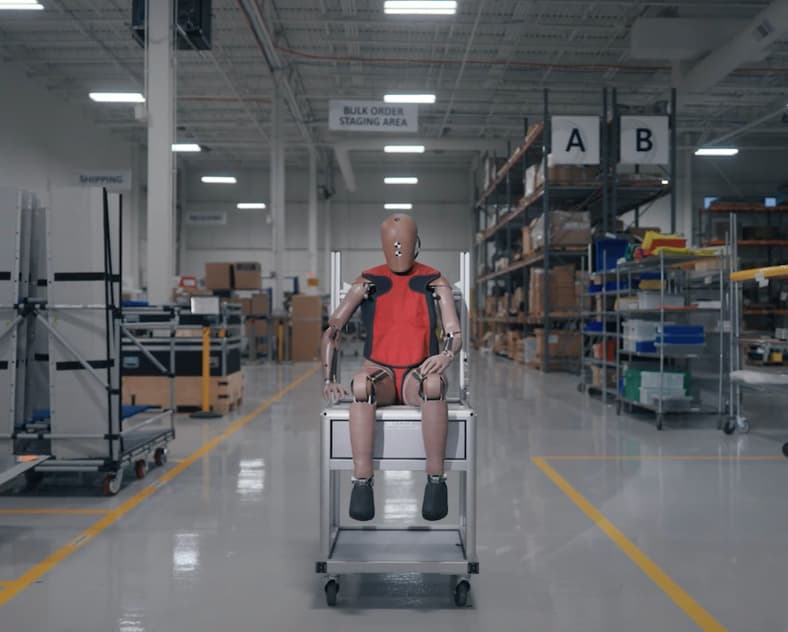
In 2014, a company called Humanetics started making an accurate female crash dummy, and her name is Thor 5-F. But the NHTSA hasn’t incorporated her into their research due to the high costs associated with introducing a new dummy in car safety crash testing. But don’t worry about the men; a more advanced male dummy is about to hit the scene as women are left in the rearview mirror, again.
In 2019, about 10,420 women died in car crashes, and over one million suffered severe injuries. Leaving moms, sisters, and daughters to wonder: if women were actually represented in safety studies, would those numbers be reduced?
Is Anyone Working to Change Car Safety Testing?
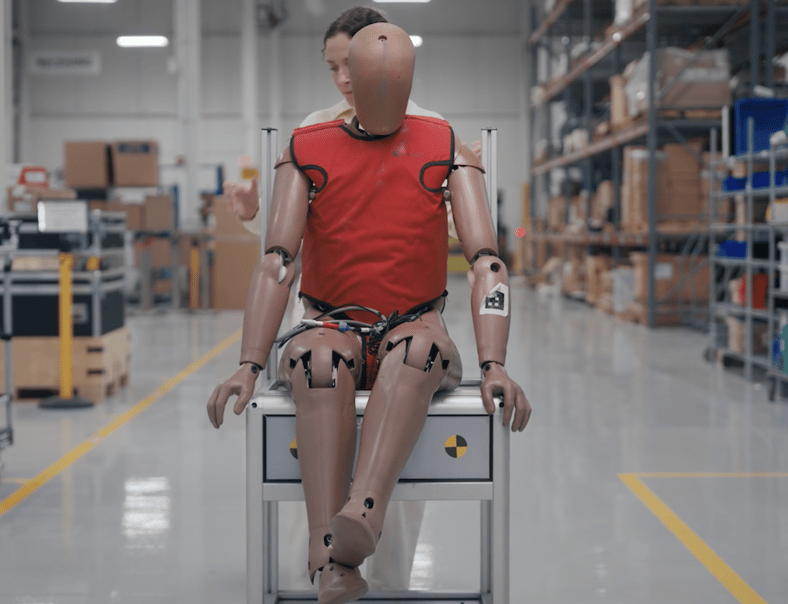
Bipartisan senators introduced the She DRIVES Act, which would require the NHTSA to update its testing devices for female and male crash dummies. Sadly, car companies aren’t having it and are working to dilute the act.
The head of NHTSA, Jonathan Morrison, has attempted to save face by throwing support behind including Thor 5-F in safety testing. Plus, the federal government shared that specifications for female crash dummies will be required. However, there’s no deadline for these requirements, just the good press that comes along with publicity for the idea.
What we can do is push for the She DRIVES Act to pass and hope for car companies to stop lobbying against equal car safety practices. Until changes are made, female drivers will continue to be seemingly disposable. Without us, who will get the groceries, rule the pickup lines, make it to dance recitals, and then head to work to help pay for the ‘mom’ car?

More About:Car Safety