
Is an Extended Car Warranty Worth Buying? Here’s How To Tell
Is peace of mind worth the extra expense? And, does it really provide peace of mind?

If you’d listen to my dad, like so many financial experts, he’d say don’t buy an extended car warranty; save your money and put it in an account to use for repairs down the road.
But then, I bought a certified pre-owned BMW that came with an extended warranty, and I used it over and over and over. In all, it probably saved me $5,000.
In this case, my dad’s advice was a big fat zero. But is that always true? Is an extended car warranty necessary, especially if buying a used car? Turns out, like most things, it depends.
This story is 100% human-researched and written based on actual first-person knowledge, extensive experience, and expertise on the subject of cars and trucks.
How To Tell if You Should Consider Buying an Extended Warranty

The first thing to do is your homework: How many miles you drive each year, how long you expect to keep your car, what you expect to pay for maintenance and repairs over time, especially for things that can fail like water pumps and alternators.
If you’re purchasing a used car and considering an extended warranty, don’t buy the car or the policy without having the car inspected by an independent mechanic first; that inspection can turn up issues that you’d rather avoid, warranty or not.
Read: Have an Upside Down Car Loan? How to Sell a Car When You Owe More Than it’s Worth
Consider What a Warranty Will Cover
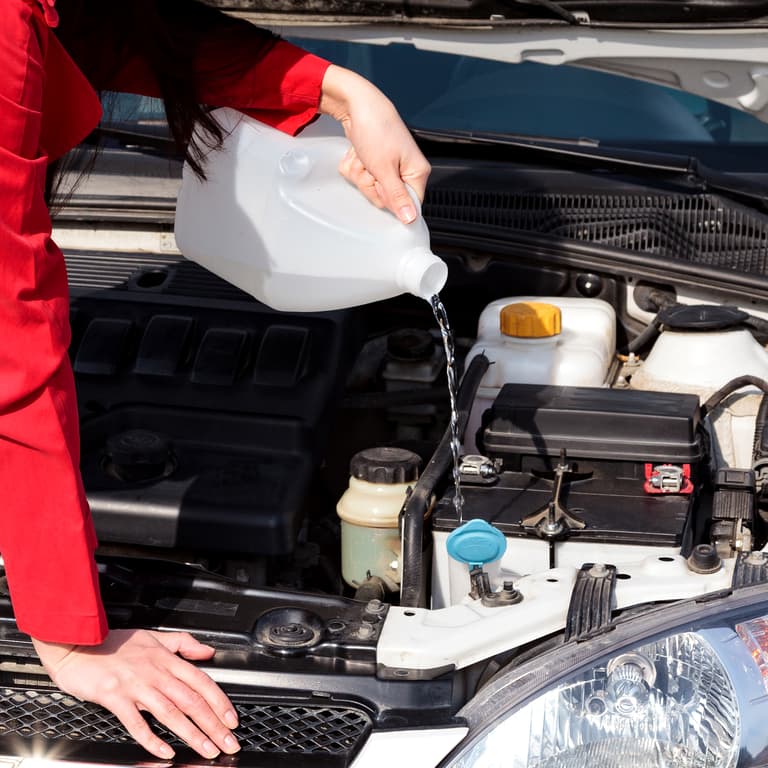
New cars come with several different warranties: bumper-to-bumper, powertrain, corrosion, and battery systems on hybrids and EVs are the big ones. Warranties generally don’t cover maintenance and wear items like tires, windshield wipers, and brakes, and an extended car warranty won’t cover these things, either.
What it will do, though, is spell out what it’ll cover and any conditions to that coverage. Also consider the length of coverage in both months and miles, any limitations on where work can be done, and what deductibles you’ll be responsible for.
Read: New Or Used? The Best Hybrid SUVs and What They Cost New and Used
Consider the Outfit Selling the Warranty: Who is Selling This Plan?

The next thing to look at is the reputation of the insurer selling a policy. Red flags to look for are consumers who report denied claims, difficulty reaching an agent, or directing clients to shady shops for repairs.
Do your homework before buying a policy: ask around for recommendations of a reputable insurer, look at their ratings, and do some general research to ensure you feel good about the company.
Read: The Best SUVs for Families With 3 Kids in Car Seats
Are Car Dealer-Backed Warranties a Better Bet?

Sometimes this is a good option: Many car dealers offer a lifetime warranty on new cars or a warranty on the used cars they sell. This may sound great, but typically you’ll have to go back to that dealer for warranty service; if you move, it may not be worth going back to that dealer. And if the dealership is sold, the new owner may not honor old warranties.
Also, carefully consider the small print: What does the warranty cover? Typically, it’s not an extension of the factory warranty but a less-expensive version, so know what you’re buying.
Buying Used? Look For a Dealer That Will Offer a Warranty With Purchase
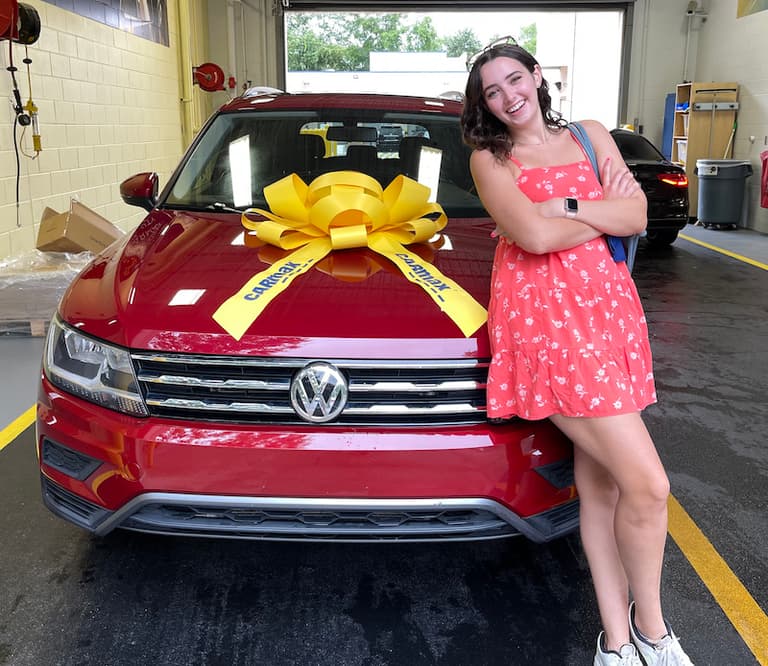
This is one option I really like: Used car sellers like CarMax and Carvana typically offer a limited warranty as a part of the purchase; this is not an add-on, but included in the price and allows you to bring a new-to-you car back for repair within the warranty period as long as it fits the warranty criteria. CarMax offers a 90 day/4,000-mile warranty, and Carvana stretches that to 100 days.
Both will also offer an extended warranty with purchase, something you might want to consider for a used car with a history of issues— but again, check the fine print to make sure it works for your lifestyle and budget.
A Certified Pre-Owned Extended Car Warranty
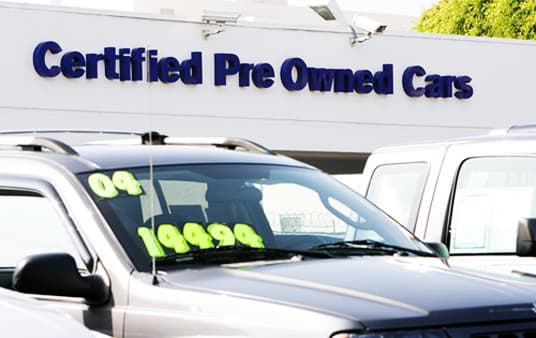
An extended warranty is part of the CPO offer, added to the multi-point inspection and replacement of worn parts, recall repairs, and more.
A CPO typically extends a car’s warranty by a year or two, though it could be longer. To know how much warranty you’ll actually have, consider how much of the original warranty is left and when the full warranty (manufacturer warranty + CPO warranty) expires, and how long the CPO warranty is.
Another nice consideration is that a CPO warranty is serviceable at any of the brand’s dealerships, so you’re not stuck going only to the dealer who sold you the car.
When Is the Best Time to Buy an Extended Car Warranty?
The best prices on an extended car warranty are before your manufacturer’s warranty expires. That’s when you’ll get the best offers and best prices; you’ll also have an idea of your car’s health and issues that have been fixed under warranty. Do a little research to find the trouble spots other owners have hit with their cars, so you know what you might expect when the original warranty expires.
The time NOT to buy an extended warranty is when buying a brand-new car. First, you’ll have a warranty on the car that should last for at least three years. And, buying a warranty on a new car will simply add to your overall cost with no real benefit. If you decide you want a warranty later, you can buy before your current warranty expires.
If the salesperson pressures you with a low price or mentions things that the manufacturer’s warranty doesn’t cover, such as wheel damage or towing, ask for coverage for just those things.
When to Rule Out an Extended Car Warranty
Many used cars don’t qualify for an extended warranty, or will only qualify for a short time. Most plans will only cover cars up to 10 to 12 years old and may have mileage limits. Again, look carefully at the contract details, the history of the car, the anticipated repairs and issues it may have, and calculate the value of the policy; you may be better off selling that car or opting to purchase something with a reputation for reliability.
If You Decide to Buy an Extended Car Warranty, Shop Around and Negotiate

Yes, you can negotiate the price of an extended car warranty. Like anything else, the seller can decide how flexible they can be, and timing can be everything.
If your car is currently under warranty, selling you a new warranty (in theory) comes with less risk, and therefore the policy seller has more room to negotiate. You have options too; shop different policies and insurers against one another and find the policy that best fits your life and budget.
Even With An Extended Car Warranty, Be Prepared For Surprises
Even if you do your due diligence, be ready for surprises and denials—and factor that into your decision.
For instance, my BMW’s CPO policy covered all powertrain parts except those with rubber components because rubber—things like windshield wipers and tires— were not covered. So when the turbochargers on my BMW failed, the policy denied coverage because the turbochargers have rubber components.
I was lucky; it wasn’t a hugely expensive repair, but I was glad I hadn’t paid for extra insurance only to find out I wasn’t covered. And, the CPO had already saved me a lot of money, so I was feeling pretty lucky at that point. But it also left me thinking about what is often the best advice when it comes to extended car warranties: Buy a car that’s known for being reliable, and if you can’t, create a budget for repairs, both often the best insurance.

More About:Car Maintenance