


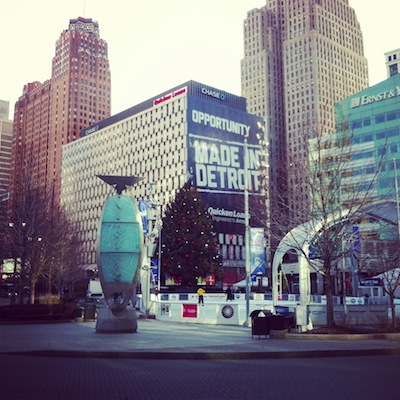
But… all that has changed. Between a spruced up downtown, world class museums, renewed excitement in the auto industry, professional sports and great food, seeing Detroit brings the heart of America clearly into focus.
While Detroit’s landscape is peppered with smokestacks and factories, it is also home to Gilded Era mansions, historic landmark sky-scrapers and important 20th century architecture and design. And, as the Motor City should be, its downtown and suburbs are connected by some of the best freeways in America– many with familiar names like Chrysler, Ford and Fisher–that are fast, flowing and actually free!So getting around is easy, and from downtown to the outer suburbs, seeing Detroit is a fun way to reconnect with our purely, uniquely American ingenuity and culture.
Downtown:
Downtown stands tall against the Detroit River, a gathering of Gilded Age, neo-classical, Beaux-Arts and modern sky-scrapers, many of them national historic landmarks with stone carved cornices and facades. As the host of Super Bowl XL in 2006, the city worked hard to put on a good show, building and refurbishing parks, creating attractions and fostering new businesses downtown, an effort that continues today.
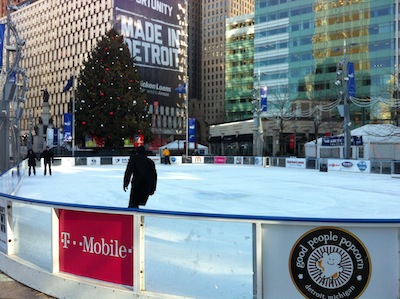

The newly built Comerica Park and Ford Field–both opened in 2000– host Major League Baseball’s Detroit Tigers and the NFL’s Detroit Lions, and are an easy drive from the suburbs or a short walk from many hotels and restaurants downtown. In hockey season the Redwings can be found at Joe Louis Arena, which sits on the river front near the Cobo Center, Detroit’s convention center.
Where to Stay Downtown:
Downtown has a mix of grand old hotels, modern hotels and casino hotels. Among them are the Detroit Marriott Renaissance Center, which shares a riverside complex of buildings with General Motors’ corporate offices and the Westin Book Cadillac, and casino hotels include the MGM Grand Detroit, the GreekTown Casino, and the MotorCity Casino. There are also a few budget hotels downtown, including the Hilton Garden Inn and the Courtyard Marriott, which has a swimming pool.
Getting Around: If you’re driving in from the suburbs, there is plenty of great metered and free street parking throughout downtown, as well as parking garages everywhere. To find a garage, check Bestparking.com (which also has a great smartphone app). If you’re staying at a local hotel (or just parking near one) you can use the People Mover to get around. This monorail services 13 stations around downtown including the Greektown Casino, the Renaissance Center and the Cobo Center convention hall; be sure to consult a station map. The best part? It’s just .75 cents a ride!
Downtown Dining:
Like Philly’s battle of the chee
sesteak or New York’s pizza rivalries, Detroit is home of the battle of the dogs: Lafayette Coney Island and American Coney Island. Long time Detroit rivals, both serve up an old-school hot dog dressed with chili, onions and mustard; Coney Islands are so popular that inspiration restaurants dot the suburbs. Another favorite dish is barbeque; try Slow’s for authentic slow cooked ‘que, sauces and sides.
PizzaTown?
But Detroit really should be dubbed PizzaTown: Some of America’s best loved pizza chains, Domino’s, Little Caesars and Hungry Howie’s, were founded here. And from classic, neapolitan, and deep dish to wood-grilled, artisan or gluten-free, world-class pizza can be found everywhere. Downtown favorites include Niki’s in Greektown and Buddy’s Rendezvous (with additional locations around town),which is famous for its square deep dish pies. The suburbs are filled with artisan pizza places; you can find a an appetizing guide here.
Highlight: The Motown Museum (A.K.A. Hitsville USA)
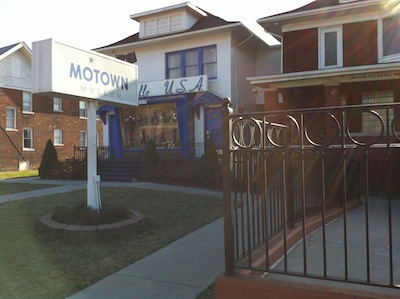
The museum occupies the house–known as HitsVille USA–where Motown Records was founded by Berry Gordy. In fact, it’s where everything happened: Gordy lived upstairs with his family, and in the basement Motown stars recorded and produced thousands of hit songs. Visitors can walk the halls and stand in the rooms where the magic happened: where Marvin Gaye, Diana Ross and Stevie Wonder recorded smash hit records; where Martha Reeves answered the phones before she sang “Dancing in the Street,” where Smokey Robinson, Lionel Ritchie and little Michael Jackson and his brothers first got their start. Displays include original record jackets and cover art, the original furniture, recording equipment and and even flooring and wallpaper. There is a display case featuring Michael Jackson’s sequined glove and fedora, and in Studio A studio is a grand piano, a replica of the one that accompanied so many famous voices. The original is in New York being restored by Paul McCartney, who when touring the Motown Museum, noticed that the piano was in disrepair; his contribution to the museum was to have the piano shipped to Europe for refurbishing, then to New York for final finishes, and soon it will be returned to the museum.
The ’Burbs
As the auto industry’s manufacturing needs spread to outlying areas beyond the city limits, the area’s suburban areas grew, and with them, museums, attractions, dining and shopping grew, too.
East of the city along Lake St. Claire is the very upscale suburb of Grosse Point. Home to many auto executives and founding families, the area is known for its grand mansions and lake views.
Just to the west of downtown, Dearborn was home to the Ford family farm, where Henry was born and where he first tinkered with machines in the family barn. Ford’s headquarters are still there, and the town is an homage to the iconic American car maker with shopping center and subdivision names inspired by the brand. Henry Ford built his estate there, which is home to historic Greenfield Village, a living history village that showcases different eras of American life–from working farms from the 1800’s to workshops like those where the Wright Brothers and Henry Ford developed their innovations–in seven different historic districts.
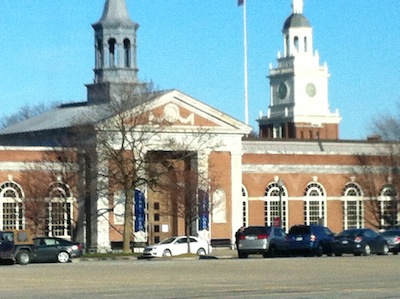
Just north of town, Royal Oak is home to the Detroit Zoo, famous for its polar bears and kangaroo exhibit–you tour through the kangaroo exhibit and watch them bounce across your path–and is popular for its urban-feeling trend setting downtown shopping, dining and music district. A few miles further north is Birmingham, an upscale village with a charming, walkable downtown, cute shops and fine restaurants. Just north of Birmingham is Bloomfield Hills, home to Cranbrook, a National Historic Landmark campus that houses an art and science institute, and a museum that is home to some of the most important mid-century work by designers such as Charles and Ray Eames and Eliel Saarinen.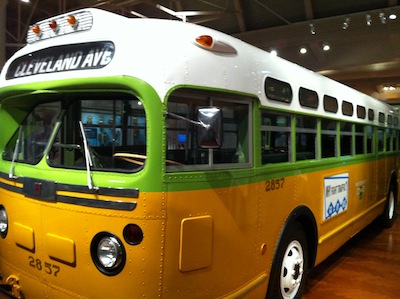
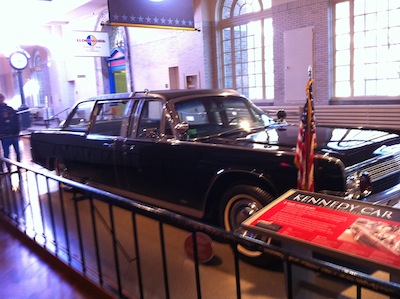
other must-see at the Henry Ford is the limousine that President Kennedy rode in when he was assassinated
Nearby, Troy is home to one of the country’s greatest malls, the Somerset Collection. So large that it spans both sides of West Big Beaver Rd. (it’s connected by a skywalk), this mall is home to many upscale retailers including Saks Fifth Avenue, Neiman Marcus and Ralph Lauren, as well as a number of fine restaurants. Nearby are plenty of hotels, restaurants and offices.
Where to stay: Detroit’s Suburbs
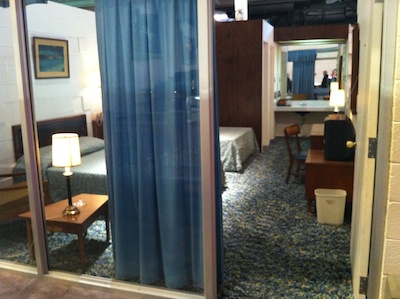
In Southfield is the Westin Southfield. In Troy are the Troy Marriott and the Somerset Inn. In Birmingham is the Townsend Hotel, one of the top hotels in the area, known for its consistent five star service and celebrity guests; it’s where Barbra stays. Yes, Streisand. Enough said.
Near the auto industry campuses of Warren and Sterling Heights are corridors of three-to four star inns set among popular chain restaurants and shopping centers. Among them is the Best Western Sterling Inn, an unassuming but nicely outfitted inn that courts business travelers during the week and has an indoor water park popular with families on weekends and during the summer. Our review is here.
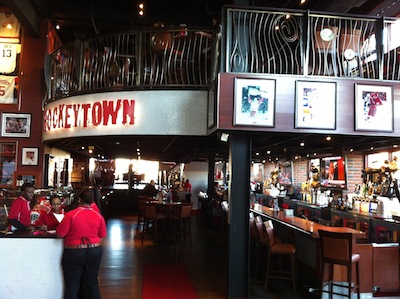
Disclosure: Our hotel stay, museum visits and lunch at Hockeytown Cafe were sponsored by the Detroit Convention and Visitors Bureau; opinions and insights are purely based on my own experiences and opinions.

